
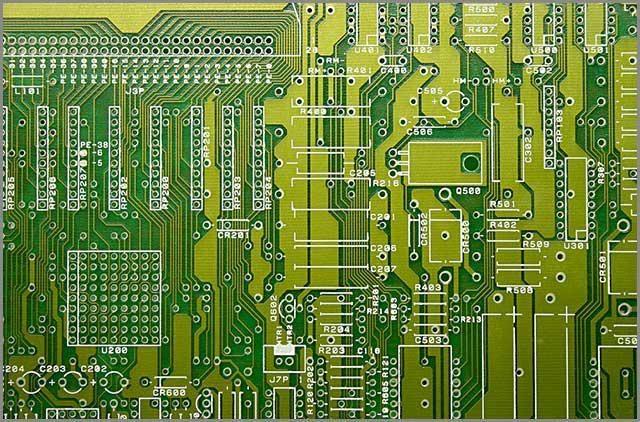
FR-4 PCB: Material Properties, Thickness Selection, and Application Guide
You’ve probably heard of FR-4 PCB, especially if you work in the electronics industry. But do you really understand the material properties, thickness selection, and application areas of FR-4 PCBs? In this article, we will delve into what FR-4 PCB is, analyze its different types such as Standard FR-4, High TG FR-4, High IRC FR-4, and Copper-Free FR-4. We’ll also discuss the factors to consider when choosing FR-4 thickness, including electrical performance, mechanical strength, and heat dissipation, and compare the pros and cons of thick and thin FR-4. Finally, we’ll summarize the advantages of FR-4 PCB and explore its applications in consumer electronics, automotive electronics, industrial control, and communication equipment. By the end of this article, you should have a better understanding of FR-4 PCB and how to use it effectively in your projects.
What is FR-4 PCB?
FR-4 PCB is a key material used in the manufacturing of printed circuit boards (PCBs). FR-4 stands for “Flame Retardant Level 4,” indicating that this material is not only heat-resistant but also self-extinguishing when burning. These properties make FR-4 an ideal choice for making electronic devices. Whether it’s your smartphone, computer, or household appliances, many devices likely contain FR-4 PCBs.
FR4 Characteristics and Materials
Examples of FR-4
FR-4 is a glass-reinforced epoxy laminate. This material combines the strength of fiberglass with the electrical insulation properties of epoxy resin, providing a substrate that is both robust and durable. Its flame retardant property ensures that the material remains stable even at high temperatures, which is critical in many electronic applications.
Standard FR-4
Standard FR-4 is the most common type and is widely used in various electronic devices. It has excellent mechanical strength and electrical insulation properties, making it suitable for most electronic applications. Whether it’s simple household appliances or complex industrial equipment, standard FR-4 provides reliable performance.
High TG FR-4
High TG FR-4 refers to FR-4 material with a higher glass transition temperature (TG). The glass transition temperature is the point at which the material transitions from a hard glassy state to a soft rubbery state. High TG FR-4 can maintain its structural stability at higher temperatures, making it suitable for electronic devices that generate significant heat during operation, such as high-performance computers, servers, and other high-power applications.
High IRC FR-4
High IRC (Insulation Resistance Constant) FR-4 materials excel in high-frequency applications. They have lower signal loss, maintaining the integrity and speed of high-frequency signals. This property makes them ideal for high-frequency circuits, microwave devices, and communication systems.
Copper-Free FR-4
Copper-Free FR-4 refers to FR-4 materials without the copper foil layer. It is usually used to make substrates or insulating pads rather than the actual circuit layer. This material has unique applications in certain electronic contexts, especially where insulation is needed without conductivity.
Factors to Consider When Choosing Thickness
Choosing the appropriate FR-4 thickness is critical to PCB performance. Different thicknesses of FR-4 materials exhibit different behaviors in terms of electrical performance, mechanical strength, and heat dissipation. Here are some key factors to consider when selecting thickness.
Key Factors in Thickness Selection
- Electrical Performance: FR-4 thickness affects the PCB’s electrical performance. Thicker PCBs typically offer better insulation but may have slower signal transmission. Thinner PCBs can transmit signals faster but may compromise some insulation properties.
- Mechanical Strength: Thickness is directly related to mechanical strength. Thicker FR-4 materials are usually more robust and can withstand greater mechanical stress, making them suitable for high-strength applications. Thinner FR-4 is more flexible but has lower mechanical strength.
- Heat Dissipation: Thickness also affects PCB heat dissipation. Thicker PCBs can dissipate heat better, which helps extend the lifespan of electronic components. However, thicker materials also increase cost and weight.
- Application Requirements: Different applications have different requirements for PCB thickness. For example, thinner PCBs may be more suitable for high-frequency applications, while thicker PCBs are ideal for applications requiring high mechanical strength.
Comparison of Thick and Thin FR-4
- Thick FR-4: This type of material is suitable for applications requiring high strength and good heat dissipation. The main advantage of thick FR-4 boards is their robustness and durability, which can be used in harsh environments. However, they are heavier and more expensive.
- Thin FR-4: Thin FR-4 materials are lighter and suitable for high-frequency applications and space-saving designs. They are commonly used in flexible circuits where flexibility is needed. While thin FR-4 has lower mechanical strength and poorer heat dissipation, its advantages include faster signal transmission and lower material costs.
Why Choose FR-4?
There are many reasons to choose FR-4 material. It not only performs well but also offers unique advantages in various practical applications. Here are some key reasons to choose FR-4.
Advantages of FR-4
- High-Temperature Resistance: FR-4 material can maintain its performance in high-temperature environments. This makes it ideal for high-temperature applications such as power supplies and high-power circuits.
- High Mechanical Strength: FR-4’s mechanical strength allows it to remain stable in various environments. Whether in industrial control equipment or consumer electronics, FR-4 provides reliable support.
- Excellent Electrical Insulation: FR-4 has excellent electrical insulation properties, ensuring circuit safety and stability. This is crucial for preventing short circuits and other electrical failures.
- Cost-Effective: Despite its outstanding performance, FR-4 is relatively low-cost. This makes it an ideal choice for most electronic designs, balancing high performance with cost control.
Applications of FR-4
FR-4 materials are almost ubiquitous. Here are some areas where FR-4 PCBs are widely used.
- Consumer Electronics: FR-4 PCBs are widely used in devices like smartphones, tablets, and laptops. Their high performance and reliability ensure these devices operate stably.
- Automotive Electronics: Sensors, control systems, and entertainment systems in cars rely on FR-4 PCBs. These boards maintain performance in the high temperatures and vibrations of automotive environments.
- Industrial Control: Industrial automation equipment, robots, and other industrial applications extensively use FR-4 materials. Their high mechanical strength and high-temperature resistance ensure equipment stability in harsh environments.
- Communication Equipment: From routers to base stations, FR-4 PCBs have extensive applications in the communication industry. Their high-frequency performance and reliability ensure fast and stable signal transmission.
Conclusion
FR-4 PCBs are favored in the electronics industry for their excellent performance and wide range of applications. Whether in high-temperature environments, high-frequency applications, or scenarios requiring high mechanical strength, FR-4 provides reliable solutions. Choosing the right FR-4 thickness and type ensures your electronic designs perform well in various applications.
Summary of FR-4 PCB Advantages
- High-Temperature Resistance: Maintains performance in high-temperature environments.
- High Mechanical Strength: Maintains structural stability in various environments.
- Excellent Electrical Insulation: Ensures circuit safety.
- Cost-Effective: Low cost, excellent performance.
At JY Factory, we are committed to providing high-quality FR-4 PCBs to meet your various needs. Whether it’s standard FR-4, High TG, High IRC, or Copper-Free FR-4, we have the experience and expertise to provide the best solutions for your projects. Choosing us means choosing reliability and efficiency.
We hope this guide helps you better understand FR-4 PCBs and make informed choices in your electronic projects. If you have any questions or need further advice, please feel free to contact us. We are always here to help!




Leave A Comment