
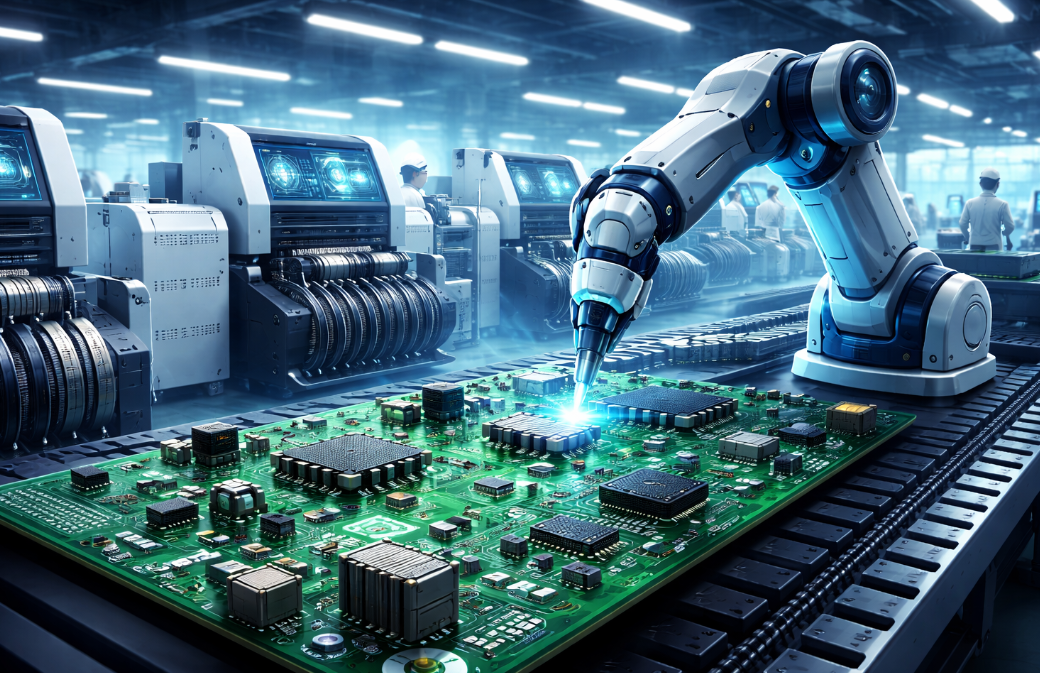
One-Stop PCB Manufacturing & Assembly: How Integrated Solutions Slash Lead Time and Elevate Product Quality
In today’s fast-paced electronics industry, time-to-market and product reliability are two critical success factors. Traditional workflows—where PCB fabrication and assembly are handled by separate vendors—often introduce delays, communication gaps, and quality inconsistencies. To address these challenges, more companies are turning to integrated PCB production and assembly solutions, also known as one-stop PCBA services.
This article explores how integrated PCB manufacturing and assembly can significantly reduce lead time, improve product quality, and streamline your entire supply chain. Whether you are a startup developing prototypes or an enterprise scaling production, understanding this model can give you a strong competitive edge.
 What Is Integrated PCB Production and Assembly?
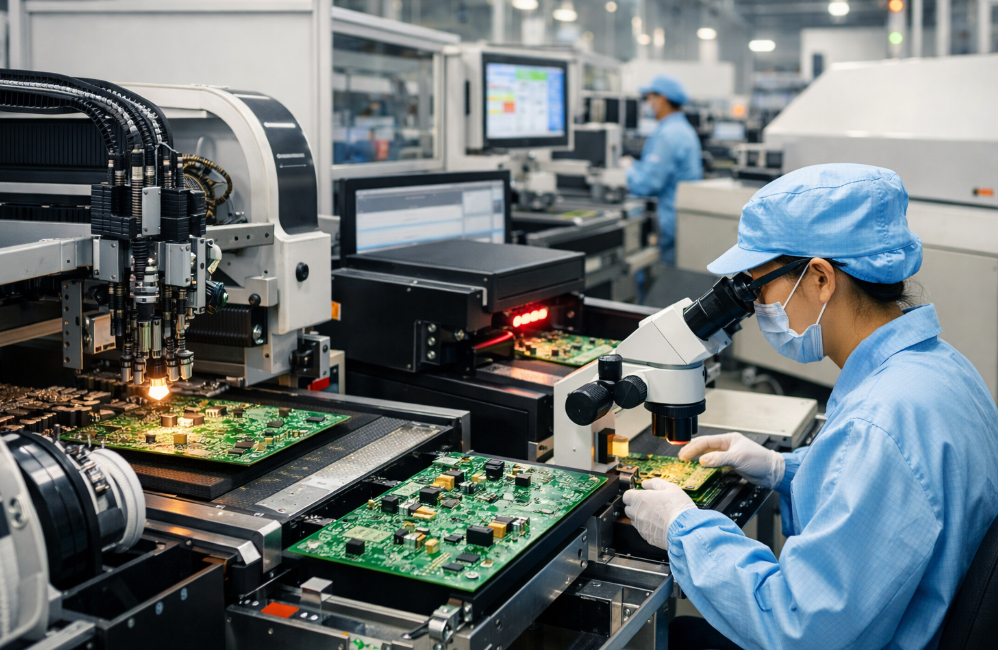
Integrated PCB production and assembly refers to a manufacturing model where a single supplier manages both PCB fabrication and PCB assembly (PCBA) processes. This includes everything from material sourcing, PCB layout verification, fabrication, component procurement, SMT/THT assembly, testing, and final delivery.
Key Components of Integrated Services
- PCB fabrication (single-layer, multilayer, HDI, flexible PCBs)
- Component sourcing and BOM management
- Surface Mount Technology (SMT) assembly
- Through-Hole Technology (THT) assembly
- Reflow soldering and wave soldering
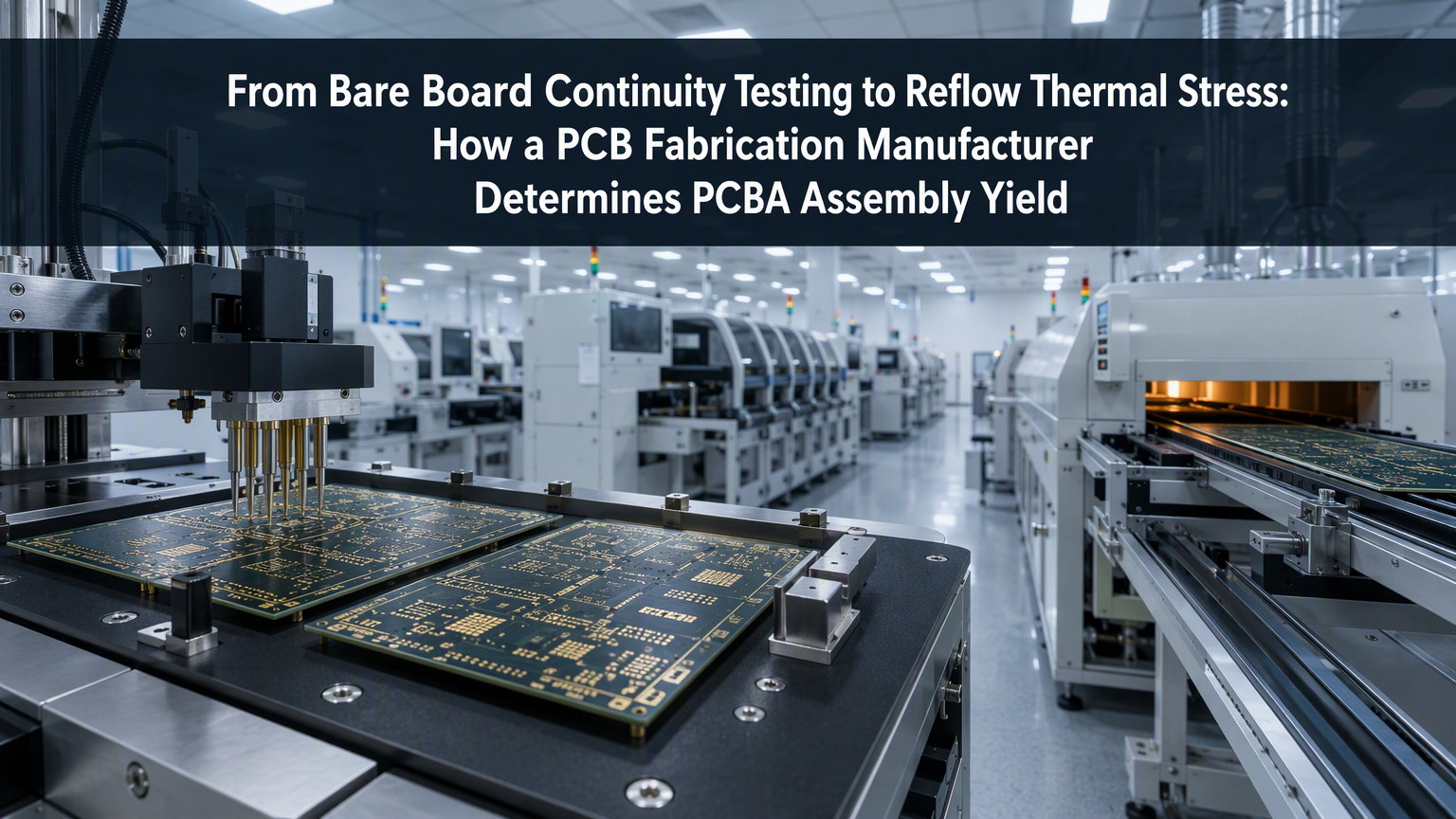
- Functional testing (FCT), ICT, AOI, X-ray inspection
By consolidating these stages under one provider, businesses gain better control over both production efficiency and product consistency.
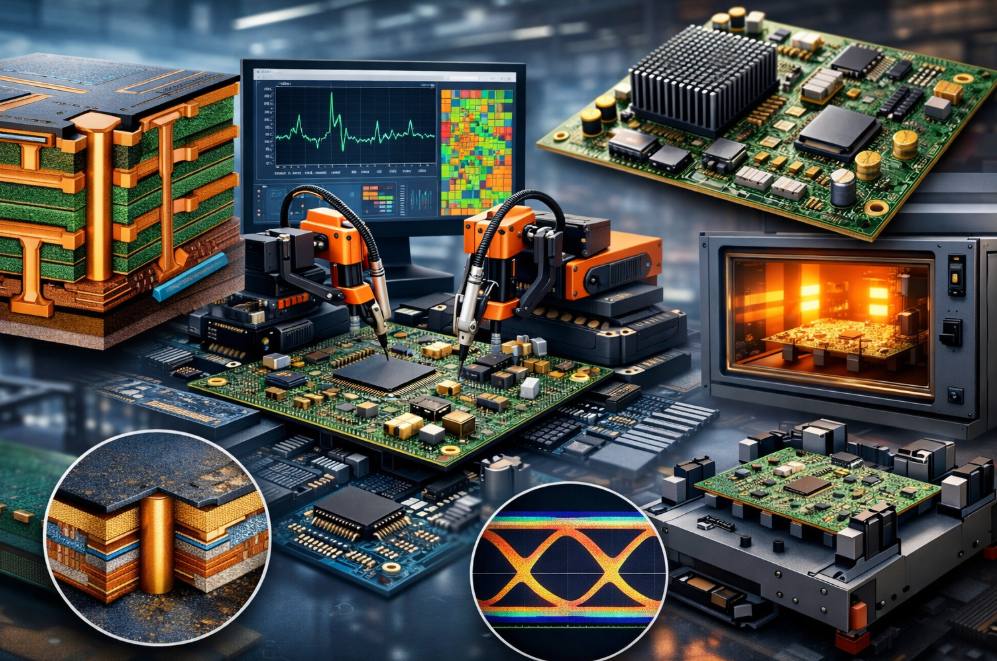 Why Traditional PCB Supply Chains Fall Short
Before diving into the advantages of integration, it’s important to understand the limitations of the traditional multi-vendor approach.
1. Communication Gaps
Different vendors often operate in silos, leading to misinterpretation of design files, Gerber data, and BOM requirements.
2. Increased Lead Time
Shipping PCBs between fabrication and assembly facilities adds days or even weeks to the production timeline.
3. Quality Risks
When issues arise, it becomes difficult to determine whether defects originate from fabrication or assembly, delaying root cause analysis.
4. Higher Costs
Logistics, rework, and inefficiencies contribute to increased overall production costs.
Core Advantages of Integrated PCB Manufacturing and Assembly
1. Significant Reduction in Lead Time
One of the most compelling benefits of integrated PCBA services is faster turnaround.
- No inter-factory shipping delays
- Parallel processing of fabrication and assembly planning
- Faster prototyping cycles
For example, quick-turn PCB fabrication combined with in-house SMT assembly can reduce total production time by up to 30–50%.
2. Improved Product Quality and Reliability
Quality control is greatly enhanced when a single provider oversees the entire process.
Unified Quality Management System
Integrated manufacturers implement consistent standards across:
- Material selection (FR4, Rogers, etc.)
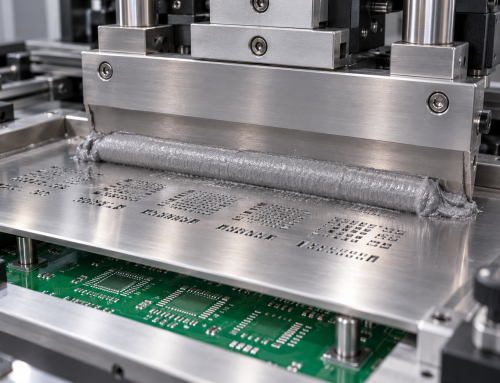
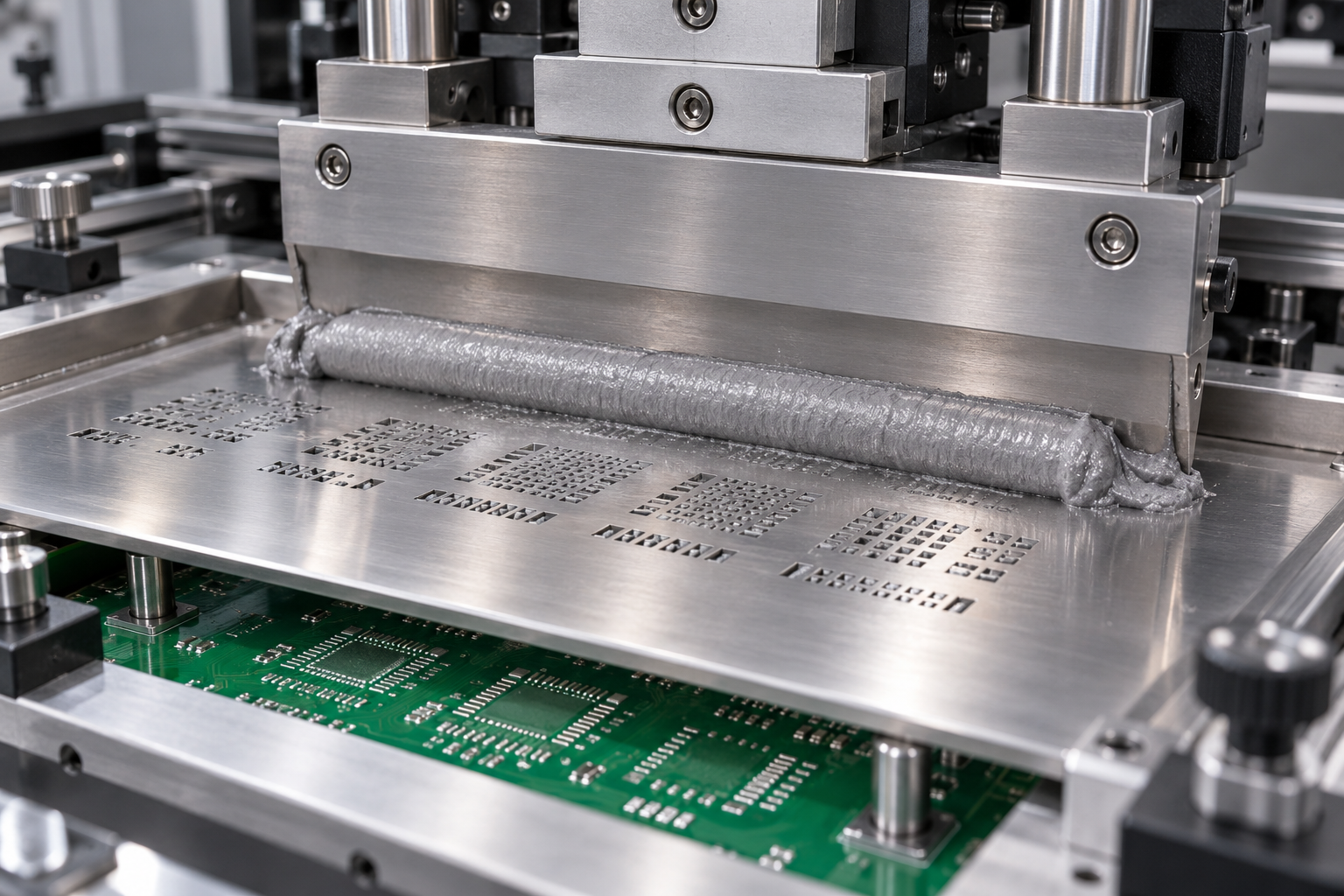
- Solder paste printing
- Reflow temperature profiling
- Inspection protocols (AOI, SPI, X-ray)
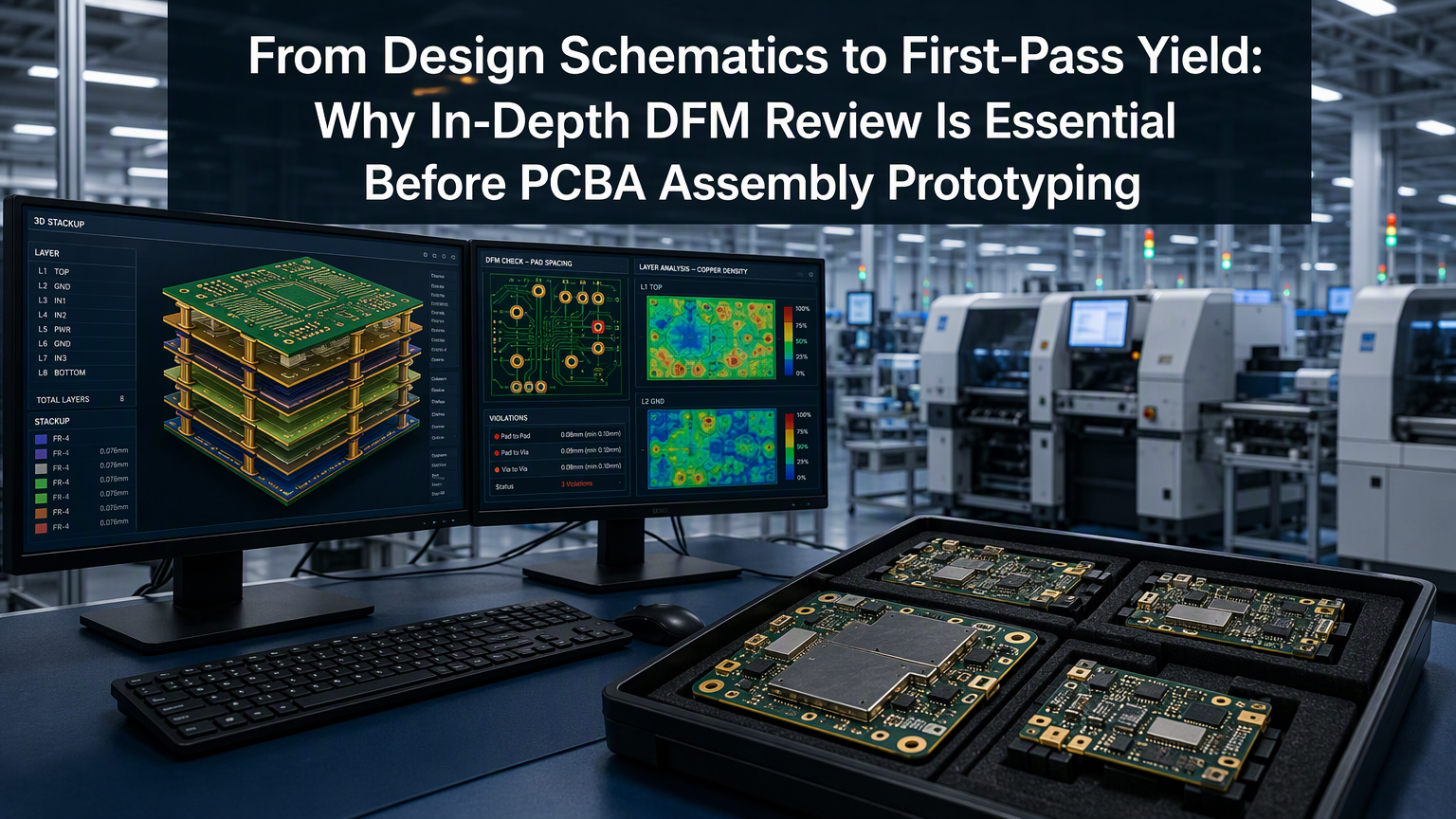
Early Design for Manufacturability (DFM)
With in-house engineering teams, manufacturers can perform DFM and DFA (Design for Assembly) analysis before production begins, identifying potential issues such as:
- Trace width and spacing violations
- Via-in-pad concerns
- Component placement conflicts
This proactive approach minimizes defects and rework.
3. Better Supply Chain Coordination
Integrated service providers often have established relationships with component distributors, enabling:
- Faster component sourcing
- Reduced risk of counterfeit parts
- Improved inventory management
BOM optimization also ensures cost-effective sourcing without compromising performance.
4. Cost Efficiency Through Process Optimization
Although integrated services may seem more expensive upfront, they often reduce total cost of ownership.
- Lower logistics costs
- Reduced rework and scrap rates
- Improved yield rates
Additionally, economies of scale in component procurement can lead to significant savings.
5. Enhanced Transparency and Accountability
Working with a single partner simplifies project management.
- Single point of contact
- Real-time production updates
- Clear accountability for quality issues
This transparency accelerates decision-making and reduces project risk.
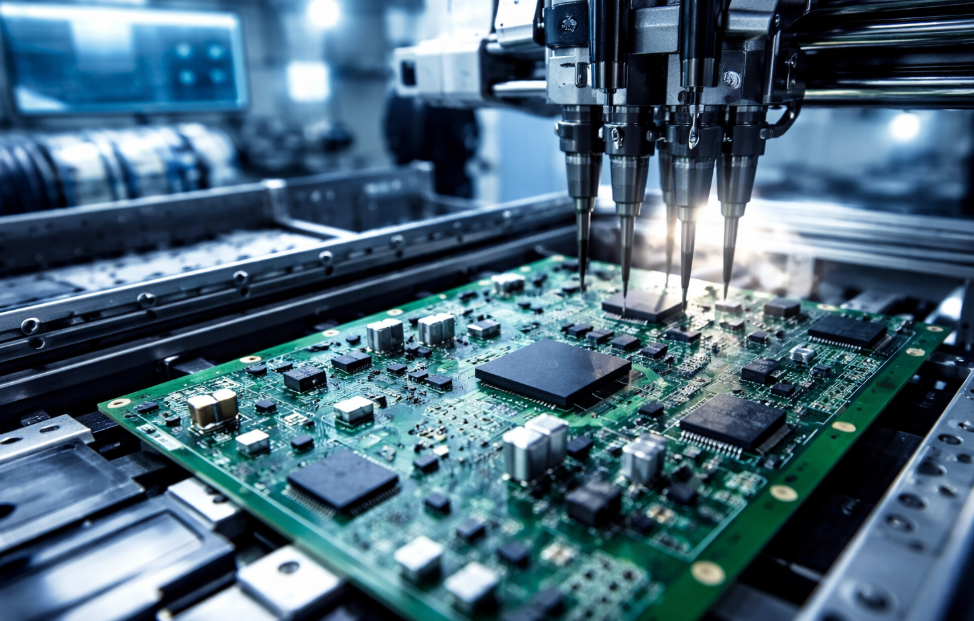 Key Technologies Behind Integrated PCBA Solutions
Surface Mount Technology (SMT)
SMT is the backbone of modern PCB assembly, allowing high-density component placement with precision.
- Automated pick-and-place machines
- High-speed production lines
- Fine-pitch component handling (e.g., QFN, BGA)
Automated Optical Inspection (AOI)
AOI systems detect soldering defects, missing components, and alignment issues during and after assembly.
X-ray Inspection
Critical for inspecting hidden solder joints, especially in BGA and multilayer PCBs.
In-Circuit Testing (ICT) and Functional Testing (FCT)
These testing methods ensure electrical integrity and real-world functionality before shipment.
When Should You Choose Integrated PCB Services?
Integrated PCB production and assembly is particularly beneficial in the following scenarios:
1. Rapid Prototyping Projects
Startups and R&D teams benefit from faster iteration cycles and immediate feedback.
2. Complex PCB Designs
High-density interconnect (HDI) boards and multilayer PCBs require tight coordination between fabrication and assembly.
3. Medium to High Volume Production
Consistency and scalability are critical for mass production.
4. Quality-Critical Applications
Industries such as medical devices, automotive electronics, and aerospace demand stringent quality standards.
How to Choose the Right Integrated PCBA Partner
Selecting a reliable supplier is crucial for maximizing the benefits of integration.
Evaluate Technical Capabilities
- Layer count and board complexity support
- SMT line capacity and precision
- Testing and inspection capabilities
Check Certifications
Look for certifications such as:
- ISO 9001 (Quality Management)
- ISO 13485 (Medical Devices)
- IPC-A-610 (Assembly Standards)
Assess Supply Chain Strength
- Component sourcing channels
- Anti-counterfeit measures
- Inventory management systems
Review Engineering Support
A strong engineering team can provide:
- DFM/DFA analysis
- PCB layout optimization
- Rapid problem-solving
Future Trends in Integrated PCB Manufacturing
Smart Manufacturing and Industry 4.0
Automation, AI-driven inspection, and real-time data analytics are transforming PCB production.
Digital Supply Chain Integration
Cloud-based platforms enable seamless collaboration between design, manufacturing, and logistics.
Sustainability and Green Manufacturing
Eco-friendly materials, lead-free soldering, and energy-efficient processes are becoming industry standards.
Integrated PCB production and assembly is no longer just a convenience—it is a strategic necessity for companies aiming to reduce lead times, improve product quality, and stay competitive in a rapidly evolving market.
By consolidating fabrication and assembly under one roof, businesses can eliminate inefficiencies, enhance quality control, and accelerate innovation. Whether you are developing cutting-edge electronics or scaling production, choosing an integrated PCBA solution can be the key to unlocking both operational efficiency and long-term success.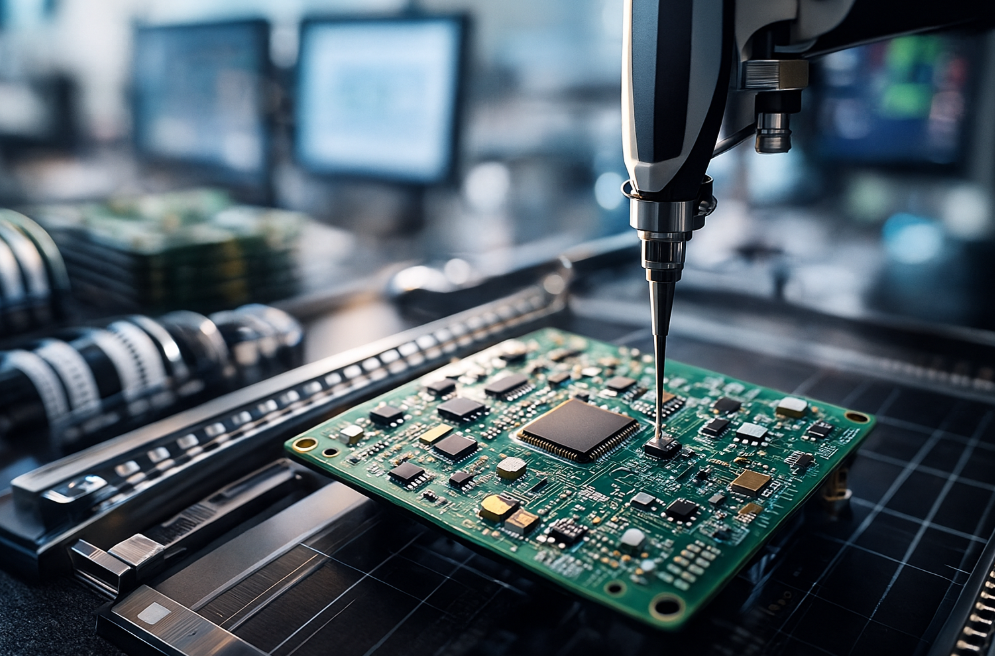

Leave A Comment