
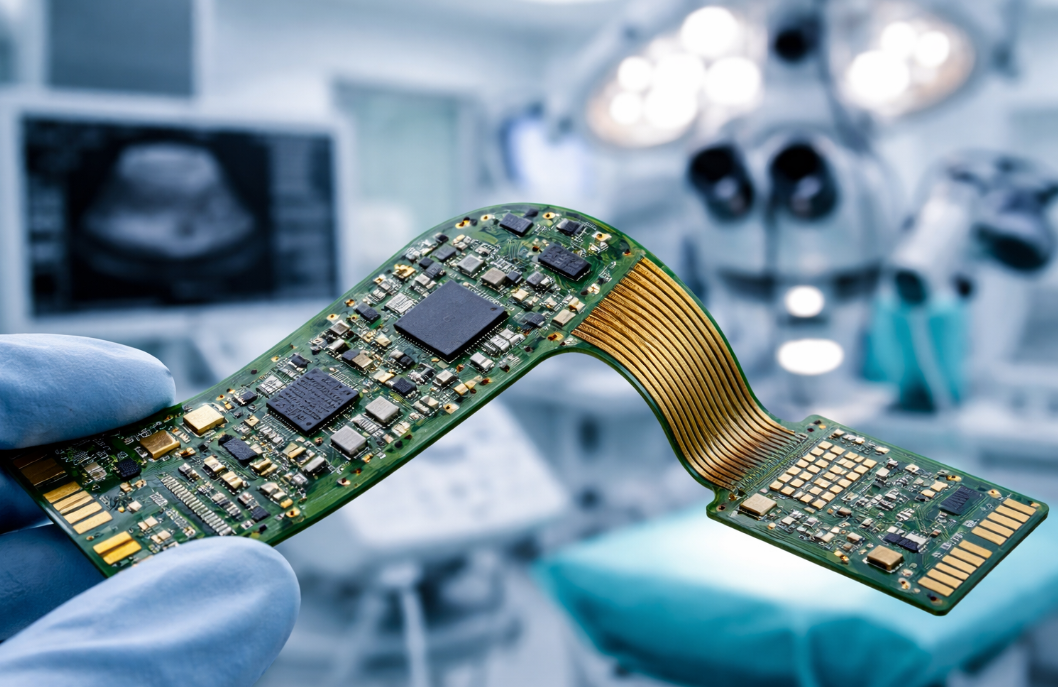
The Hidden Backbone of Medical Electronics: How Rigid PCBs Improve the Reliability of Portable Imaging and Surgical Devices
With the rapid advancement of medical electronics, portable medical imaging systems and surgical electronic equipment are becoming smaller, smarter, and more powerful. From portable ultrasound scanners to surgical navigation systems, modern medical devices require not only high computing performance but also long‑term operational stability in demanding clinical environments.
Behind these sophisticated systems lies one critical component: the Printed Circuit Board (PCB). Acting as the structural and electrical backbone of electronic devices, the PCB plays a direct role in determining system reliability, signal integrity, and long‑term operational stability.
Among the various PCB technologies available today, the Rigid PCB stands out as one of the most dependable solutions for medical electronics. Thanks to its structural strength, electrical stability, and mature manufacturing processes, rigid PCBs are widely used in portable medical imaging systems and surgical electronic equipment. This article explores why rigid PCBs significantly improve the reliability of these critical medical devices and why they remain a preferred choice for engineers designing high‑performance healthcare electronics.
 Reliability Requirements in Medical Electronic Equipment
Continuous and Stable Operation
Medical electronic devices often operate continuously for extended periods. Equipment such as portable ultrasound imaging systems, mobile X‑ray units, and intraoperative monitoring devices must maintain consistent performance throughout long clinical procedures.
In such scenarios, the PCB must deliver stable electrical performance while also maintaining mechanical integrity. Even minor structural deformation or solder joint failure can affect signal integrity, potentially leading to degraded image quality or inaccurate device control.
Therefore, reliability at the PCB level is essential for ensuring the overall stability and performance of medical electronic systems.
Strict Safety and Quality Standards
Medical devices must comply with stringent international standards and reliability requirements. These may include IPC manufacturing standards, medical electronics safety guidelines, and electromagnetic compatibility (EMC) requirements.
To meet these standards, PCBs must be manufactured with tight tolerances and undergo rigorous inspection and testing processes. Rigid PCBs, due to their stable substrate materials and well‑established production techniques, provide a dependable foundation for achieving the reliability demanded in healthcare electronics.
Structural Advantages of Rigid PCBs
Strong Mechanical Stability
Rigid PCBs are typically fabricated using FR‑4 or other high‑performance fiberglass materials. These materials provide excellent structural rigidity and resistance to bending or deformation.
This mechanical stability is particularly important for portable medical imaging devices, which are frequently transported between departments or used in mobile clinical environments. The rigid structure helps prevent mechanical stress from damaging solder joints or electrical connections during movement.
As a result, rigid PCBs contribute significantly to improving device durability and long‑term reliability.
Mature Multilayer PCB Architecture
Modern medical devices often require multilayer PCB designs to accommodate complex circuitry and high‑speed signal transmission. Rigid PCB technology supports advanced multilayer lamination processes that allow engineers to build compact yet powerful circuit architectures.
Multilayer rigid PCBs also support High‑Density Interconnect (HDI) technology, enabling finer traces, microvias, and optimized signal routing. These capabilities help reduce electromagnetic interference (EMI) while maintaining excellent signal integrity.
Such performance is essential for medical imaging systems that rely on high‑speed data transmission and precise signal processing.
 Advantages of Rigid PCBs in Portable Medical Imaging Equipment
Improved Imaging Signal Stability
Portable medical imaging systems, such as ultrasound scanners and mobile diagnostic equipment, rely heavily on precise signal acquisition and processing. These systems often handle large volumes of analog signals that must be converted into high‑resolution digital images.
Rigid PCBs provide stable impedance control and reliable grounding structures, helping minimize signal noise, crosstalk, and electromagnetic interference. Proper PCB stack‑up design further enhances signal stability and transmission accuracy.
By maintaining clean and consistent signal paths, rigid PCBs enable medical imaging devices to produce clearer and more reliable diagnostic images.
Support for High‑Density Electronic Integration
As portable medical devices continue to shrink in size, designers must integrate more components within limited physical space. Processors, FPGAs, sensors, and high‑speed interfaces all require efficient circuit layouts.
Rigid PCBs support dense routing structures and microvia technologies that allow complex electronic systems to fit into compact device designs. At the same time, they maintain excellent structural stability and electrical reliability.
This capability enables engineers to design smaller yet more powerful imaging devices without sacrificing performance.
Reliability Benefits in Surgical Electronic Equipment
Enhanced Operational Safety During Surgery
Surgical electronic devices—including electrosurgical units, surgical navigation systems, and patient monitoring equipment—require extremely high reliability. Any malfunction in electronic circuitry during a medical procedure could pose significant risks.
Rigid PCBs offer strong structural integrity and reliable solder joint connections, reducing the likelihood of contact failures, solder cracks, or intermittent electrical faults during long periods of operation.
This reliability is critical in ensuring consistent device performance throughout surgical procedures.
Efficient Thermal Management
Surgical electronic systems often contain processors, power management modules, and sensing circuits that generate heat during operation. Without proper thermal design, excessive heat could shorten component lifespan or reduce system stability.
Rigid PCBs allow designers to incorporate thicker copper layers, thermal vias, and optimized multilayer heat‑dissipation structures. These design features improve heat transfer efficiency and help maintain safe operating temperatures within the device.
Effective thermal management ultimately contributes to longer device lifespans and improved system reliability.
 Manufacturing Processes That Support Reliability
High‑Precision PCB Fabrication
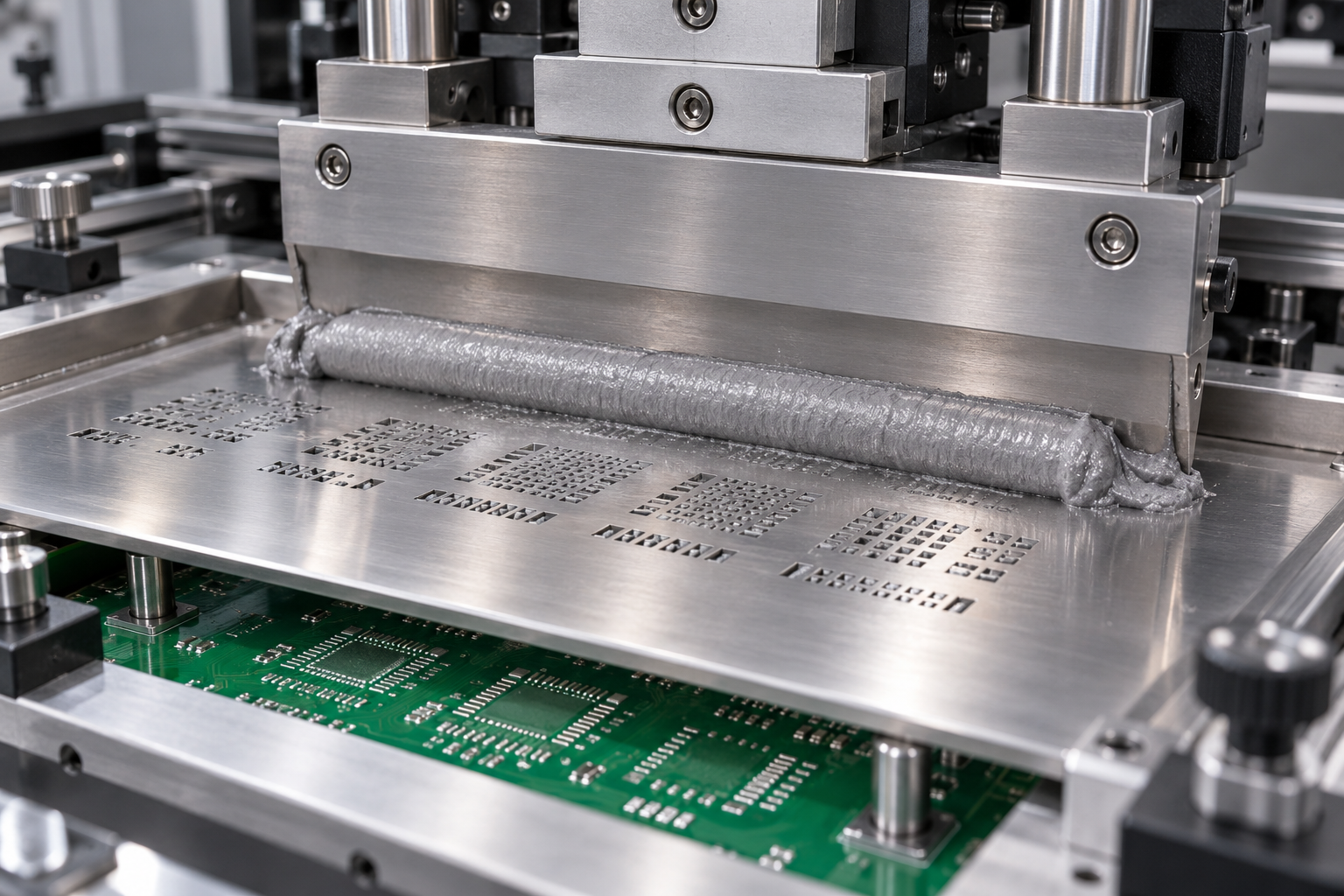
Medical electronic PCBs require highly controlled manufacturing processes. These may include precision drilling, fine‑line etching, multilayer lamination, and advanced surface finishes.
Modern rigid PCB fabrication facilities utilize automated optical inspection (AOI), electrical testing, and strict process control to ensure each board meets tight quality specifications.
Consistency in manufacturing is essential for maintaining the reliability expected in medical electronic applications.
Rigorous PCBA Testing and Verification
After PCB fabrication, the assembly process (PCBA) also plays a critical role in device reliability. Medical electronics typically undergo multiple testing stages, including:
- In‑Circuit Testing (ICT)
- Functional Circuit Testing (FCT)
- X‑ray inspection for solder joints
- Burn‑in reliability testing
These verification steps ensure that the assembled circuit boards meet the functional and reliability requirements of medical devices before entering clinical use.
Future Trends in Medical PCB Technology
As medical devices continue to evolve toward greater portability and intelligence, PCB technologies are also advancing. Innovations such as HDI PCBs, rigid‑flex PCB structures, and high‑frequency materials are expanding the possibilities for next‑generation medical electronics.
However, despite these emerging technologies, rigid PCBs remain one of the most reliable and widely used circuit solutions in the medical industry. Their mature manufacturing ecosystem and proven long‑term performance make them a cornerstone of medical device engineering.
By combining optimized design, advanced materials, and precise manufacturing, rigid PCBs will continue to support the development of safer, more reliable healthcare electronics.
In portable medical imaging equipment and surgical electronic systems, reliability is not just a design objective—it is a critical requirement that directly affects patient safety and diagnostic accuracy.
Rigid PCBs provide the structural stability, electrical performance, and manufacturing consistency necessary to meet these demanding requirements. Through robust mechanical design, reliable signal transmission, and effective thermal management, they form the foundation of dependable medical electronic systems.
As healthcare technology continues to advance, rigid PCBs will remain an essential building block for high‑performance medical devices, helping deliver safer, more precise, and more reliable electronic solutions for the global healthcare industry.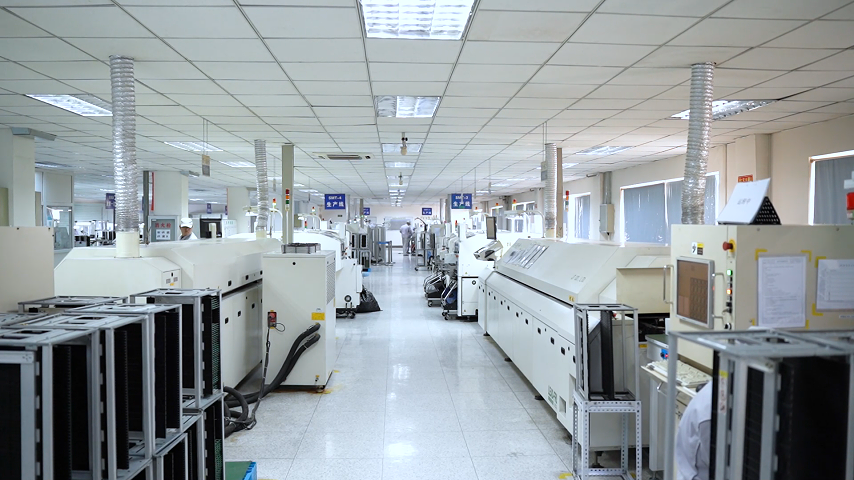










Leave A Comment