
The Ultimate Guide to Choosing a Reliable PCB Assembly Partner in China (2026 Edition)
Why Choosing the Right PCBA Supplier Matters
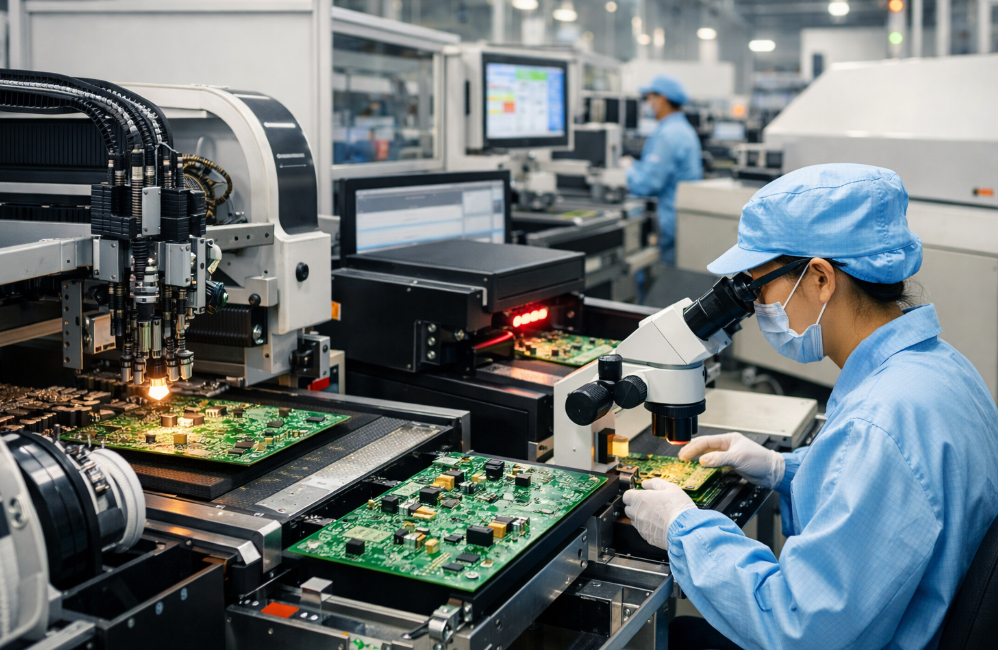
In today’s fast-evolving electronics industry, selecting a reliable PCB assembly (PCBA) partner is no longer just a procurement decision—it’s a strategic move that directly impacts product quality, time-to-market, and long-term business scalability. China has become the global hub for PCB manufacturing and assembly due to its mature supply chain, cost advantages, and technological expertise. However, with thousands of vendors available, identifying a trustworthy and capable PCB assembly company can be challenging.
This guide provides a comprehensive and practical framework to help you evaluate, compare, and select a reliable PCBA supplier in China while avoiding common pitfalls.
 Understanding the PCB Assembly Landscape in China
What Is PCB Assembly (PCBA)?
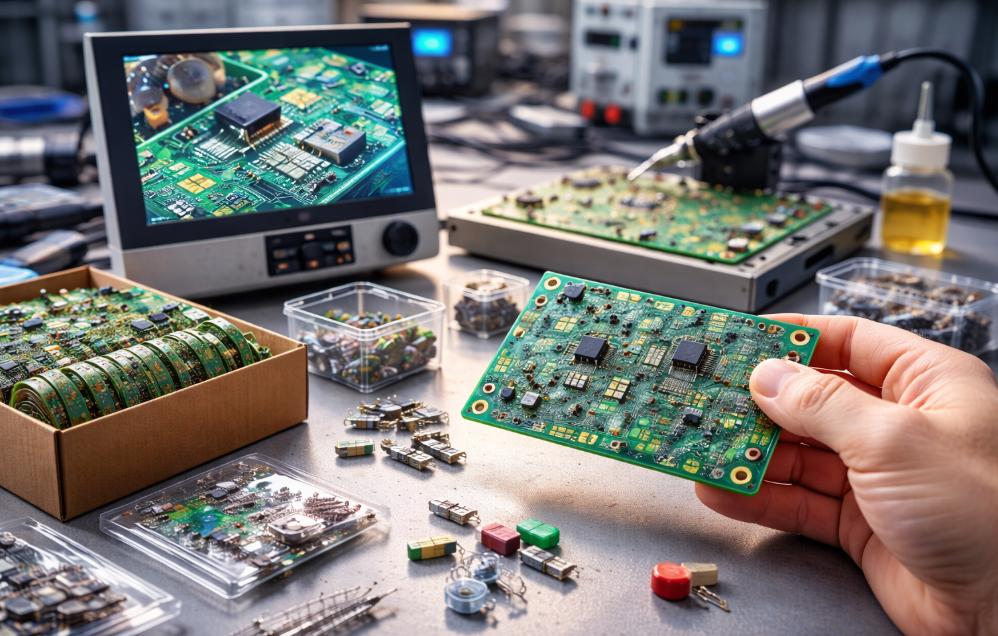
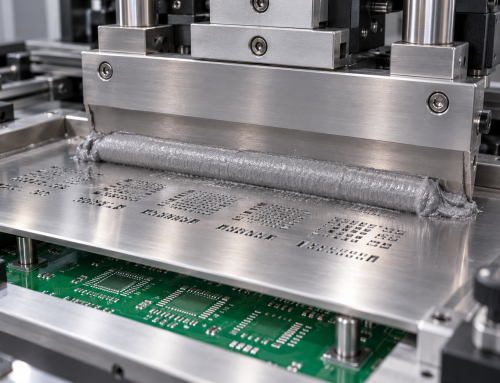
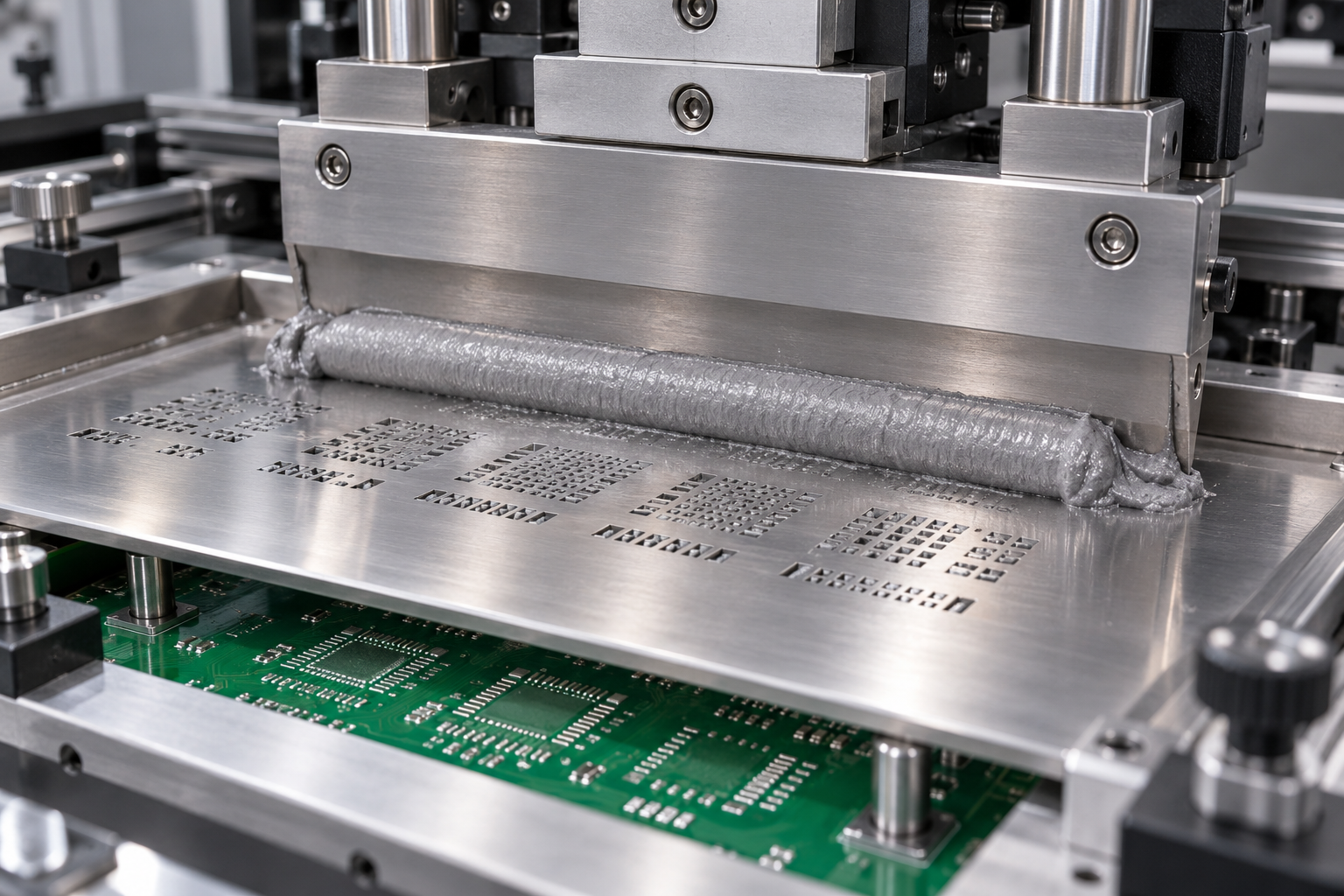
PCB Assembly refers to the process of mounting electronic components onto a bare printed circuit board (PCB) to create a fully functional electronic module. This includes processes such as solder paste printing, surface mount technology (SMT), through-hole insertion (THT), reflow soldering, wave soldering, inspection, and functional testing.
A reliable PCBA company should demonstrate expertise across all these processes and maintain strict quality control standards.
Why China Dominates the PCBA Industry
China’s PCB and PCBA industry benefits from:
- A complete upstream and downstream supply chain
- Competitive labor and production costs
- Advanced manufacturing capabilities
- Rapid prototyping and mass production scalability
Regions such as Shenzhen, Dongguan, and Suzhou are well-known clusters for electronics manufacturing services (EMS).
Key Factors to Evaluate a Reliable PCB Assembly Company
1. Certifications and Quality Standards
One of the first indicators of a reliable PCBA manufacturer is its certification portfolio. Look for:
- ISO 9001 (Quality Management)
- ISO 13485 (Medical Devices)
- IATF 16949 (Automotive Industry)
- UL Certification
Additionally, IPC standards such as IPC-A-610 (Acceptability of Electronic Assemblies) and IPC J-STD-001 (Requirements for Soldered Electrical Assemblies) are essential benchmarks.
2. Manufacturing Capabilities and Equipment
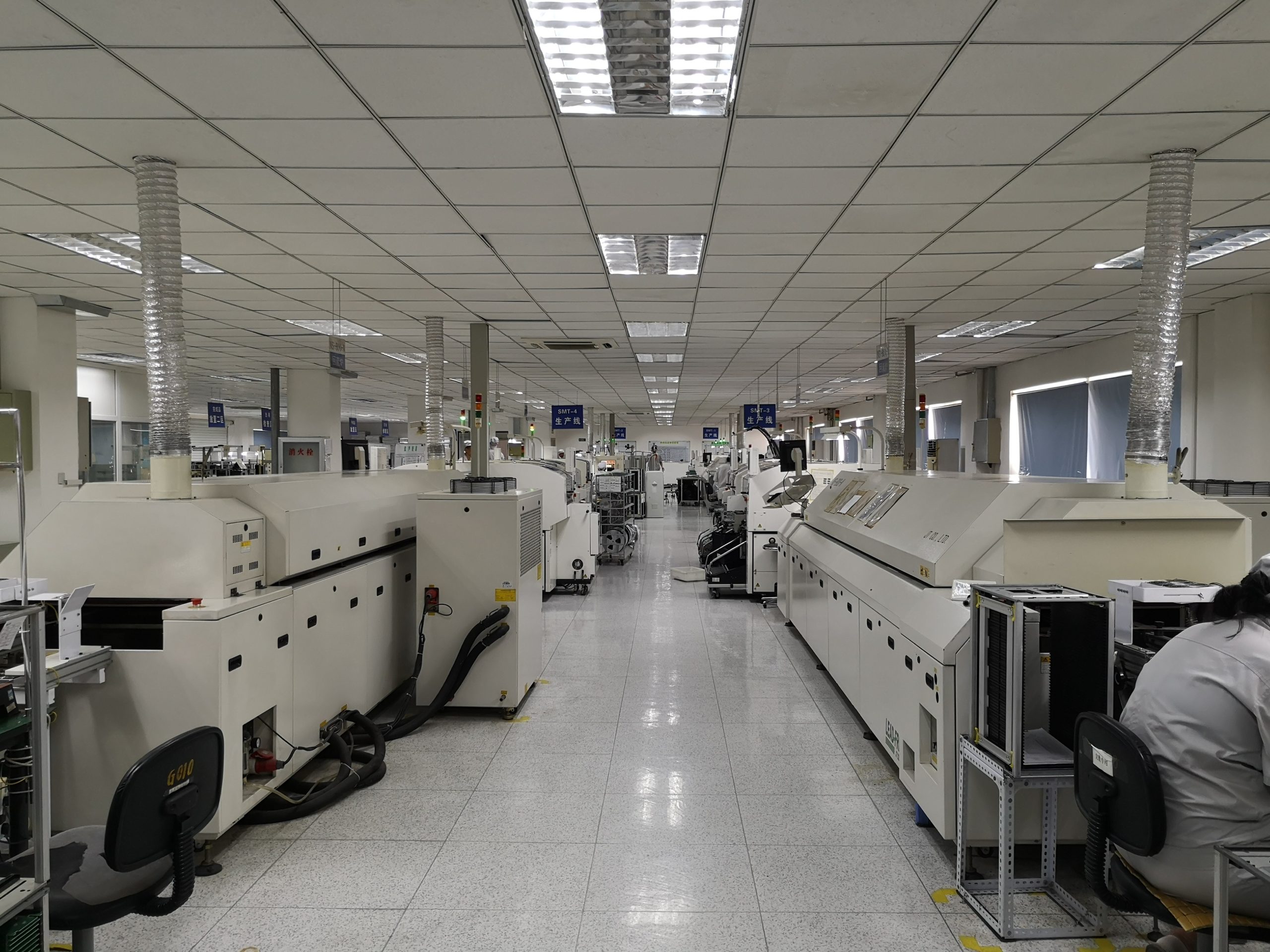
A strong PCB assembly company should have advanced equipment including:
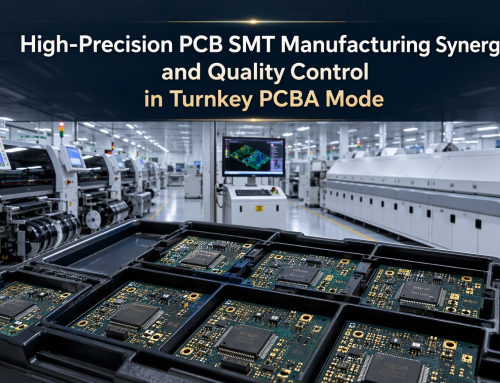
- High-speed SMT pick-and-place machines
- Automated Optical Inspection (AOI)
- X-ray inspection systems for BGA/QFN components
- Reflow ovens with precise thermal profiling
Capability in handling multilayer PCBs, HDI boards, flexible PCBs, and fine-pitch components is a major advantage.
3. Engineering Support and DFM Analysis
Design for Manufacturability (DFM) analysis is critical in reducing production risks and costs. A reliable supplier should offer:
- Gerber file review
- BOM optimization
- Component substitution suggestions
- Panelization advice
Strong engineering support can significantly reduce errors and improve yield rates.
4. Component Sourcing and Supply Chain Management
Component sourcing is often the most complex part of PCBA. A dependable company should:
- Work with authorized distributors
- Provide anti-counterfeit measures
- Maintain stable supplier relationships
- Offer full or partial turnkey services
Efficient supply chain management ensures on-time delivery and cost control.
5. Quality Control and Testing Procedures
Quality assurance is non-negotiable. Look for companies that implement:
- Incoming Quality Control (IQC)
- In-Process Quality Control (IPQC)
- Final Quality Control (FQC)
Testing capabilities should include:
- Functional testing (FCT)
- In-Circuit Testing (ICT)
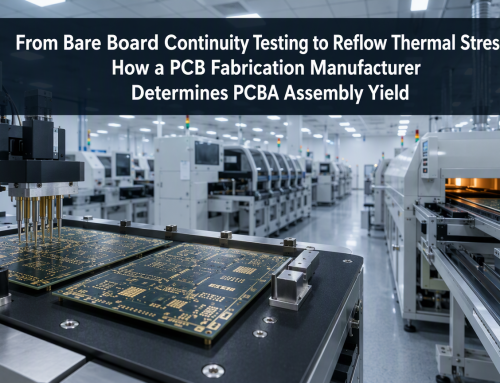
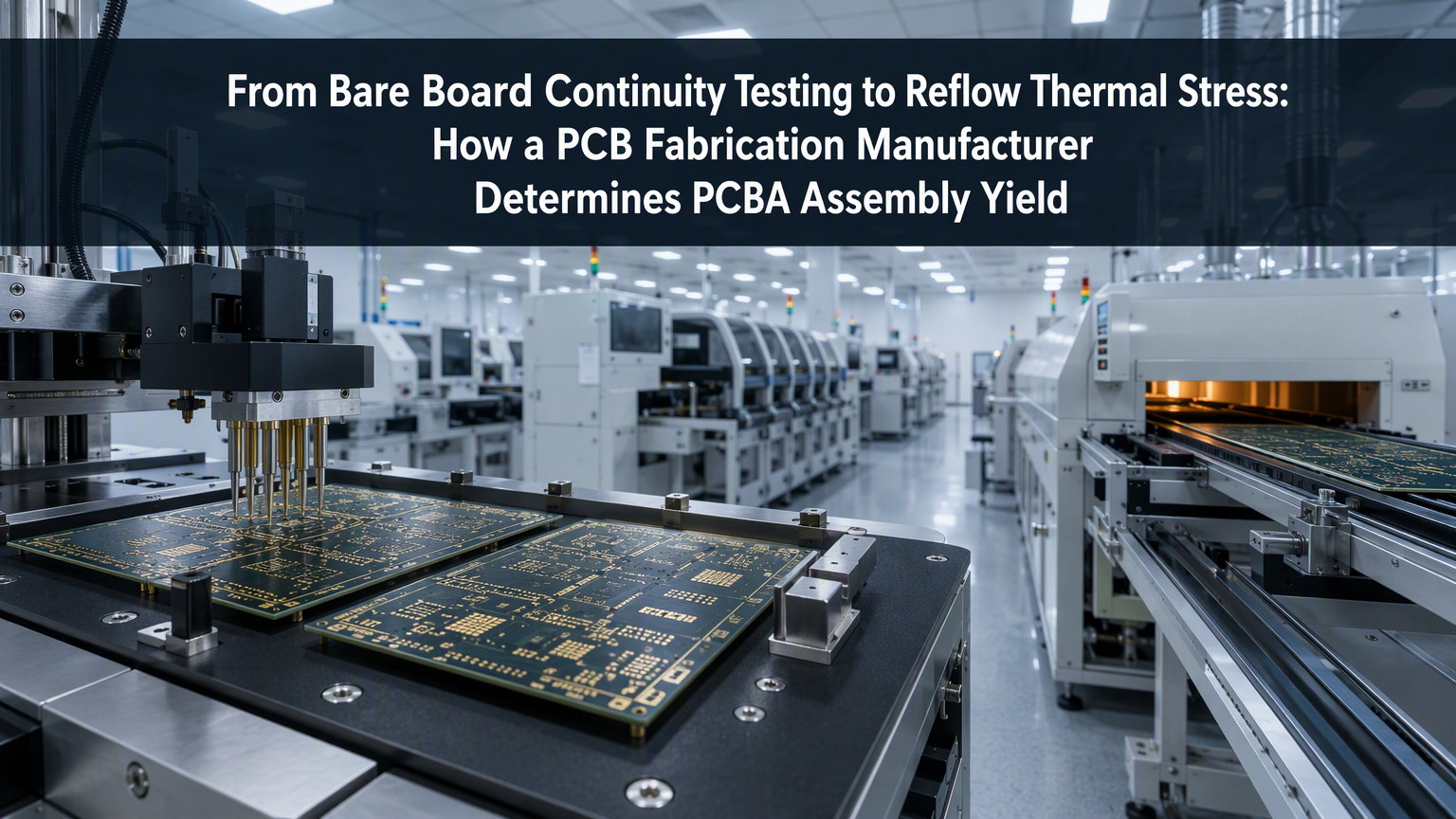
- Flying probe testing
Traceability systems and detailed inspection reports are strong indicators of reliability.
6. Lead Time and Production Flexibility
Fast turnaround is often critical, especially for prototyping. Evaluate:
- Prototype lead time (24–72 hours preferred)
- Small batch vs mass production flexibility
- Ability to handle urgent orders
A responsive supplier can give you a competitive edge in product launches.
7. Communication and Customer Service
Clear and timely communication is essential when working with overseas suppliers. Reliable companies should:
- Provide dedicated account managers
- Offer English-speaking engineering teams
- Respond quickly to inquiries
Miscommunication can lead to costly production errors, so transparency is key.
 Common Pitfalls to Avoid When Choosing a PCBA Supplier
Choosing Based on Price Alone
While cost is important, extremely low prices often indicate compromises in materials, workmanship, or quality control.
Ignoring Factory Audits
Whenever possible, conduct factory audits—either in person or via third-party inspection agencies.
Lack of Documentation Transparency
Avoid suppliers that cannot provide clear documentation such as process flow charts, inspection standards, and test reports.
Practical Steps to Find the Right PCB Assembly Partner
Step 1: Shortlist Potential Suppliers
Use platforms such as Alibaba, Global Sources, or industry referrals to create a shortlist.
Step 2: Request Quotations and Technical Feedback
Send RFQs including Gerber files, BOM, and assembly requirements. Evaluate not just pricing but also engineering feedback.
Step 3: Order Prototypes
Before mass production, validate the supplier through prototype orders to assess quality and communication.
Step 4: Perform Supplier Evaluation
Assess performance based on:
- Product quality
- Delivery reliability
- Communication efficiency
Future Trends in PCB Assembly in China
Smart Manufacturing and Automation
Industry 4.0 technologies are driving automation and real-time monitoring in PCBA factories.
Sustainability and Green Manufacturing
Environmental regulations are pushing manufacturers toward lead-free processes and eco-friendly materials.
Advanced Technologies
Emerging technologies such as 5G, IoT, and AI are increasing demand for high-density and high-frequency PCBs.
Build Long-Term Partnerships, Not Just Transactions
Finding a reliable PCB assembly company in China requires careful evaluation, technical understanding, and strategic thinking. By focusing on quality, engineering capabilities, and communication, businesses can build long-term partnerships that ensure consistent product excellence and scalable growth.
Instead of chasing the lowest cost, prioritize value, reliability, and technical competence. A strong PCBA partner is not just a supplier—but a critical extension of your engineering and manufacturing team.






Leave A Comment