
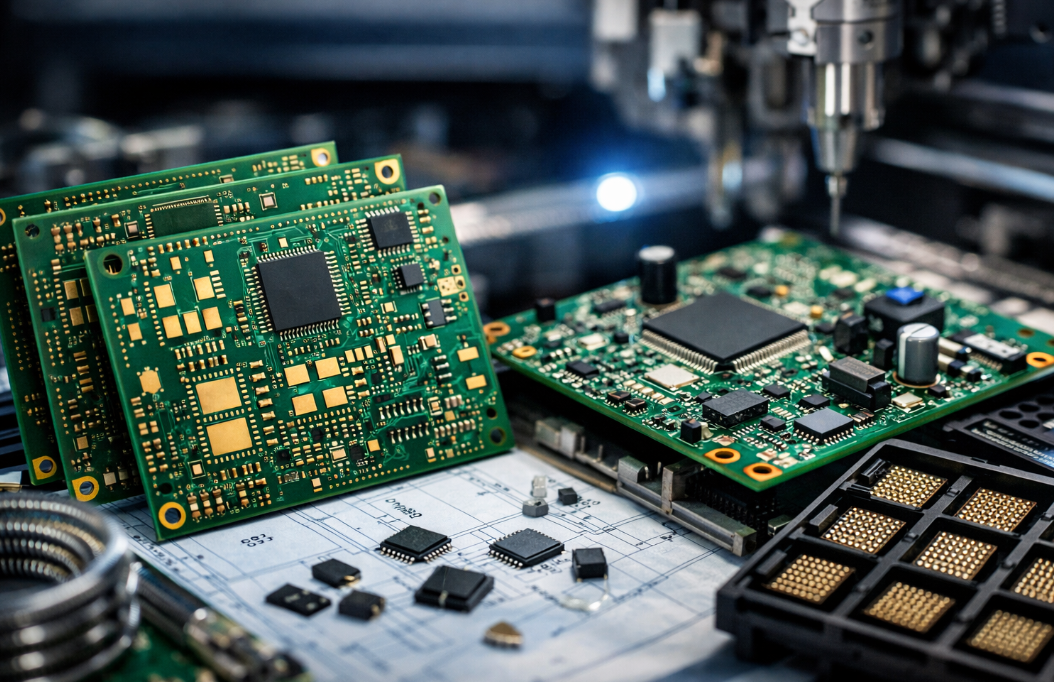
Where to Buy Printed Circuit Boards: A Strategic Guide to Sourcing High-Quality PCBs in 2026
Why Choosing the Right PCB Supplier Matters
In today’s fast-paced electronics industry, Printed Circuit Boards (PCBs) serve as the backbone of nearly every electronic product—from consumer devices to industrial control systems and medical equipment. As demand for higher performance, miniaturization, and reliability increases, selecting the right PCB supplier is no longer just a procurement task—it is a strategic decision that directly impacts product quality, cost efficiency, and time-to-market.
This guide explores where to buy printed circuit boards, how to evaluate suppliers, and what factors you must consider to ensure consistent, high-quality results. Whether you are sourcing for prototyping or large-scale PCBA production, this article provides actionable insights.
 Understanding PCB and PCBA Before You Buy
What is a Printed Circuit Board (PCB)?
A Printed Circuit Board (PCB) is a laminated structure composed of insulating substrate materials (typically FR-4) with conductive copper traces that electrically connect electronic components. PCBs can be classified into:
- Single-sided PCB
- Double-sided PCB
- Multilayer PCB (4L, 6L, 8L and above)
- Rigid PCB
- Flexible PCB (FPC)
- Rigid-Flex PCB
Each type serves specific applications depending on complexity, signal integrity requirements, and mechanical constraints.
What is PCBA (PCB Assembly)?
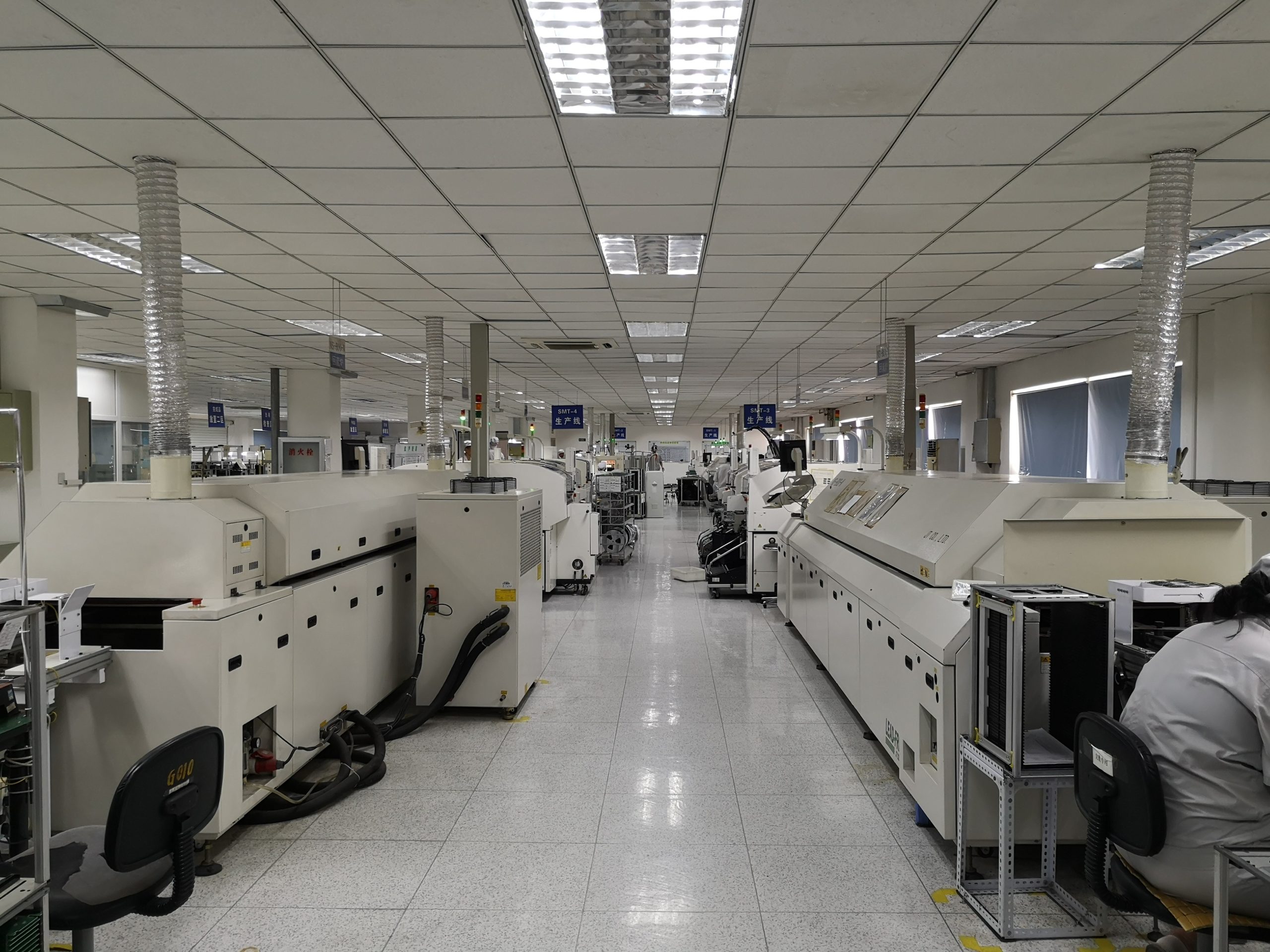
PCBA refers to the process of mounting electronic components onto a PCB using technologies such as Surface Mount Technology (SMT) and Through-Hole Technology (THT). A reliable PCBA supplier should offer:
- Component sourcing
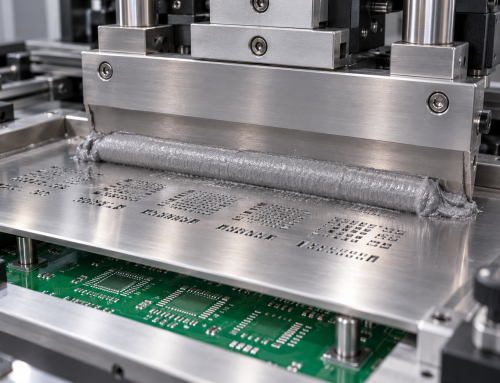
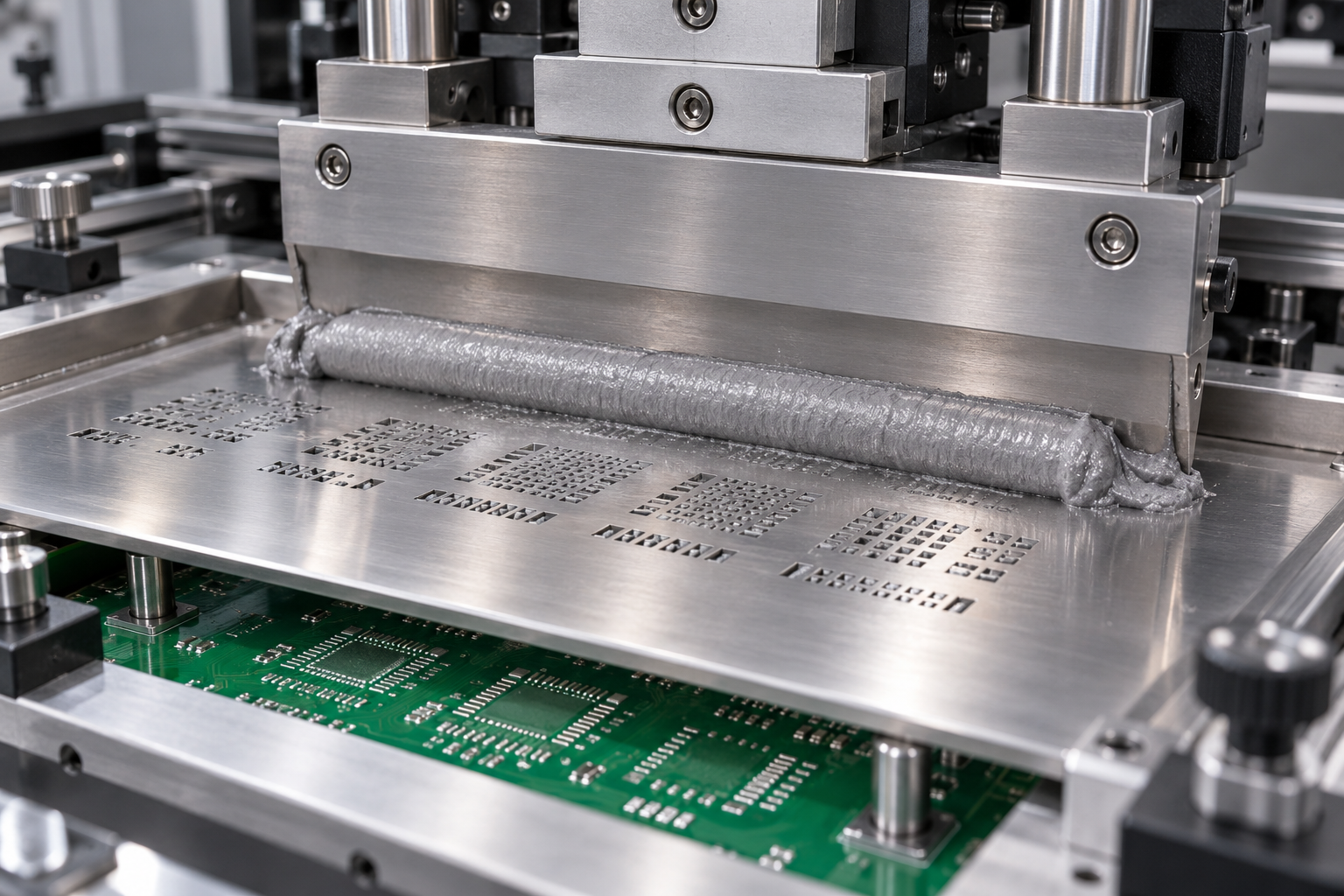
- Solder paste printing
- Pick-and-place assembly
- Reflow soldering
- AOI (Automated Optical Inspection)

- Functional testing

Understanding these fundamentals helps buyers communicate effectively with suppliers and avoid costly mistakes.
Where to Buy Printed Circuit Boards
Online PCB Manufacturers
Online PCB manufacturers have become the most popular sourcing channel due to their convenience, competitive pricing, and fast turnaround times.
Advantages:
- Instant quoting systems
- Transparent pricing models
- Global shipping options
- Easy file upload (Gerber, BOM, Pick & Place)
Considerations:
- Communication delays due to time zones
- Quality consistency across batches
- Limited customization for highly complex designs
Local PCB Suppliers
Working with local suppliers offers advantages in communication and logistics.
Benefits:
- Faster delivery for urgent orders
- Easier face-to-face technical discussions
- Better control over quality audits
Drawbacks:
- Higher costs compared to offshore manufacturers
- Limited manufacturing capacity in some regions
Turnkey PCBA Service Providers
Turnkey suppliers handle everything from PCB fabrication to component procurement and final assembly.
Why Choose Turnkey:
- Reduced supply chain complexity
- Lower risk of component mismatch
- Faster time-to-market
 Key Factors to Evaluate When Choosing a PCB Supplier
Manufacturing Capabilities
Before placing an order, verify the supplier’s technical capabilities:
- Minimum trace width/spacing (e.g., 3/3 mil or below)
- Layer count support (up to 20+ layers)
- Surface finishes (HASL, ENIG, OSP, Immersion Silver)
- Via types (through-hole, blind, buried, microvias)
Quality Standards and Certifications
A reliable supplier should comply with international standards such as:
- IPC-A-600 (PCB acceptability)
- IPC-A-610 (assembly standards)
- ISO 9001 (quality management)
- ISO 13485 (medical devices)
These certifications ensure consistent quality and reliability, especially for high-reliability applications.
Pricing Transparency
Low price does not always mean cost-effective. Consider:
- Hidden costs (tooling, stencil, shipping)
- MOQ (Minimum Order Quantity)
- Volume discounts
Lead Time and Logistics
Fast turnaround is critical for prototyping and product iteration.
- Standard lead time: 5–7 days
- Quick-turn PCB: 24–72 hours
- Assembly lead time: 7–15 days
Choose suppliers with reliable logistics partners and real-time tracking.
Engineering Support
Top-tier PCB suppliers provide DFM (Design for Manufacturability) feedback before production, helping identify potential issues such as:
- Impedance mismatch
- Solder mask clearance errors
- Component placement conflicts
Common Mistakes to Avoid When Buying PCBs
Ignoring Design for Manufacturability (DFM)
Skipping DFM checks can lead to production delays and increased costs. Always request a DFM review before fabrication.
Choosing Based on Price Alone
Extremely low-cost suppliers may compromise on materials, copper thickness, or quality control processes.
Incomplete Documentation
Ensure you provide complete manufacturing files:
- Gerber files
- Drill files
- BOM (Bill of Materials)
- Assembly drawings
Incomplete data can result in miscommunication and defective products.
Trends in PCB Sourcing for 2026
Rise of High-Density Interconnect (HDI) PCBs
With the growth of IoT, AI hardware, and wearable devices, HDI PCBs are increasingly in demand due to their compact design and high performance.
Sustainable Manufacturing
Eco-friendly PCB production is gaining attention, including:
- Lead-free soldering
- Halogen-free materials
- Waste reduction processes
Digital Supply Chain Integration
Modern suppliers offer digital platforms for:
- Real-time order tracking
- Online DFM analysis
- Automated quoting systems
Final Thoughts: How to Choose the Right PCB Supplier
Finding where to buy printed circuit boards is not just about selecting a vendor—it is about building a long-term partnership. A reliable supplier will not only deliver high-quality PCBs but also provide engineering support, flexible production, and scalable solutions.
To summarize, always evaluate:
- Technical capability
- Quality certifications
- Pricing transparency
- Lead time reliability
- Customer support
By taking a strategic approach, you can ensure your PCB sourcing process is efficient, cost-effective, and aligned with your product goals.
As the electronics industry continues to evolve, sourcing high-quality PCBs remains a critical factor in product success. By understanding your requirements and carefully evaluating suppliers, you can confidently navigate the global PCB market and make informed purchasing decisions.
Choosing the right partner today will set the foundation for innovation and reliability tomorrow.





Leave A Comment