

Why Choose SMT Assembly? An In-Depth Look at the Actual Advantages of PCB SMT
During electronic product development, the assembly process affects design, cost, and delivery. SMT assembly has become an important choice for many PCBA projects. It suits high-density circuit boards and automated production. Through solder paste printing, component placement, and reflow soldering, PCB SMT can create a continuous assembly process. SPI, AOI, and X-ray inspection can also help engineering teams identify process risks. However, SMT is not the only option for every product. The final choice should consider the PCB design, component structure, production volume, and quality requirements.
This article analyzes the main advantages of SMT assembly from a production perspective. It also explains cost limits, application boundaries, and supplier evaluation points. These details help purchasing and engineering teams make better SMT decisions.
1. The First Reason to Choose SMT Assembly: Supporting High-Density Design
1.1 Surface Mounting Can Improve PCB Space Utilization
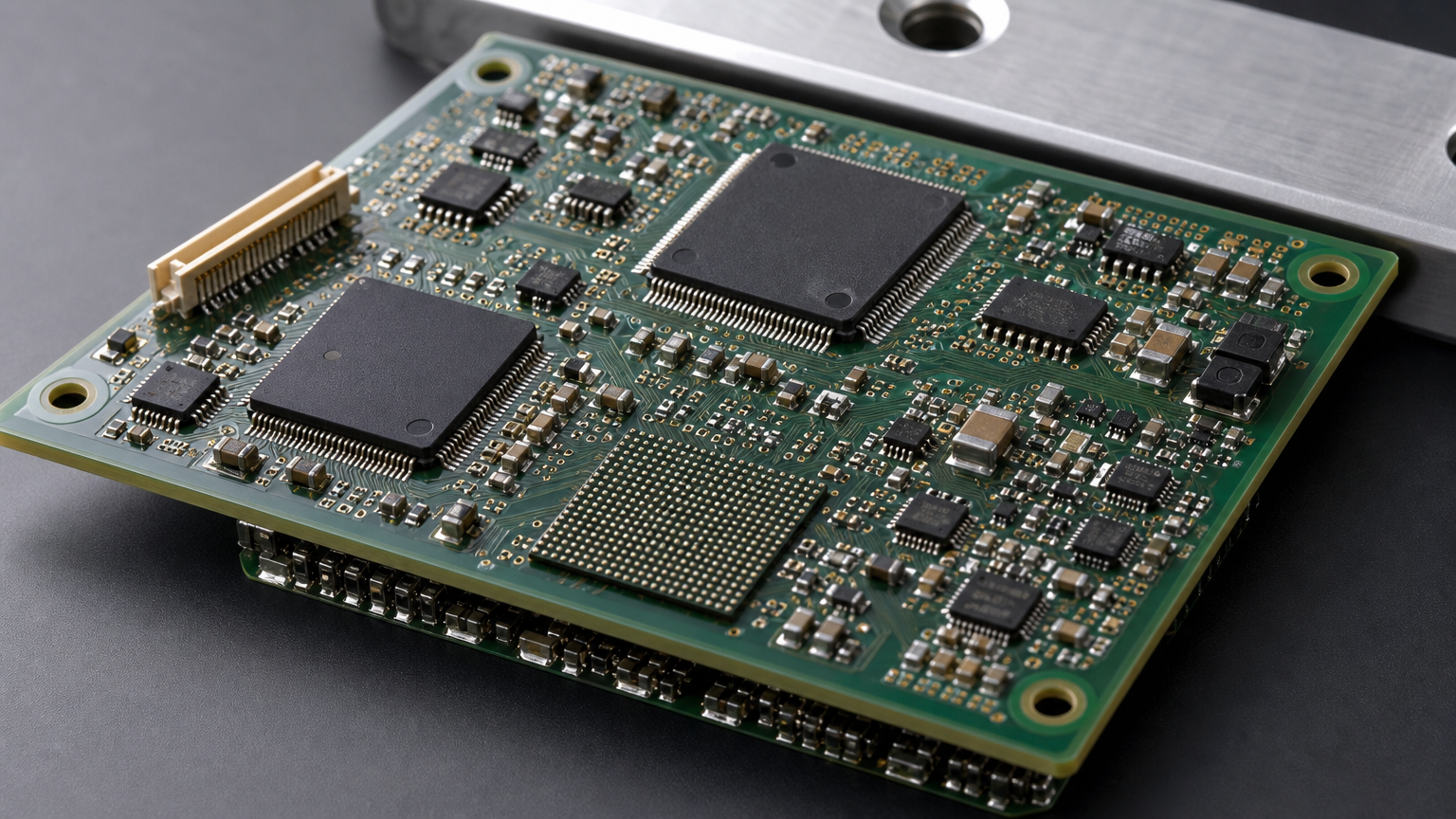
Surface-mount components do not need the same through-hole space for their leads. Designers can place more components within a limited board area. Some components can also be placed on both sides of the PCB. This may help products achieve a smaller size and higher functional density.
However, space utilization does not improve automatically. Component spacing, thermal clearance, and safety distances still matter. Test probes must remain accessible. Maintenance teams also need enough working space. An overly compact layout may increase printing, placement, and rework difficulty.
1.2 High-Density Packages Require Stricter Engineering Review
Packages such as QFP, BGA, QFN, and LGA increase SMT process requirements. Fine-pitch pads must match the stencil openings. BGA solder joints also require attention because they are hidden. The bottom pad of a QFN can also be affected by solder paste volume and reflow conditions.
For this reason, projects should complete a DFM review before production. Engineers need to check pads, component spacing, polarity, and silkscreen markings. The team should also review panelization and rework space. Proper design preparation can reduce later board changes and rework risks.
2. The Second Reason to Choose SMT Assembly: Better Automation Compatibility
2.1 PCB SMT Can Create a Continuous Assembly Process
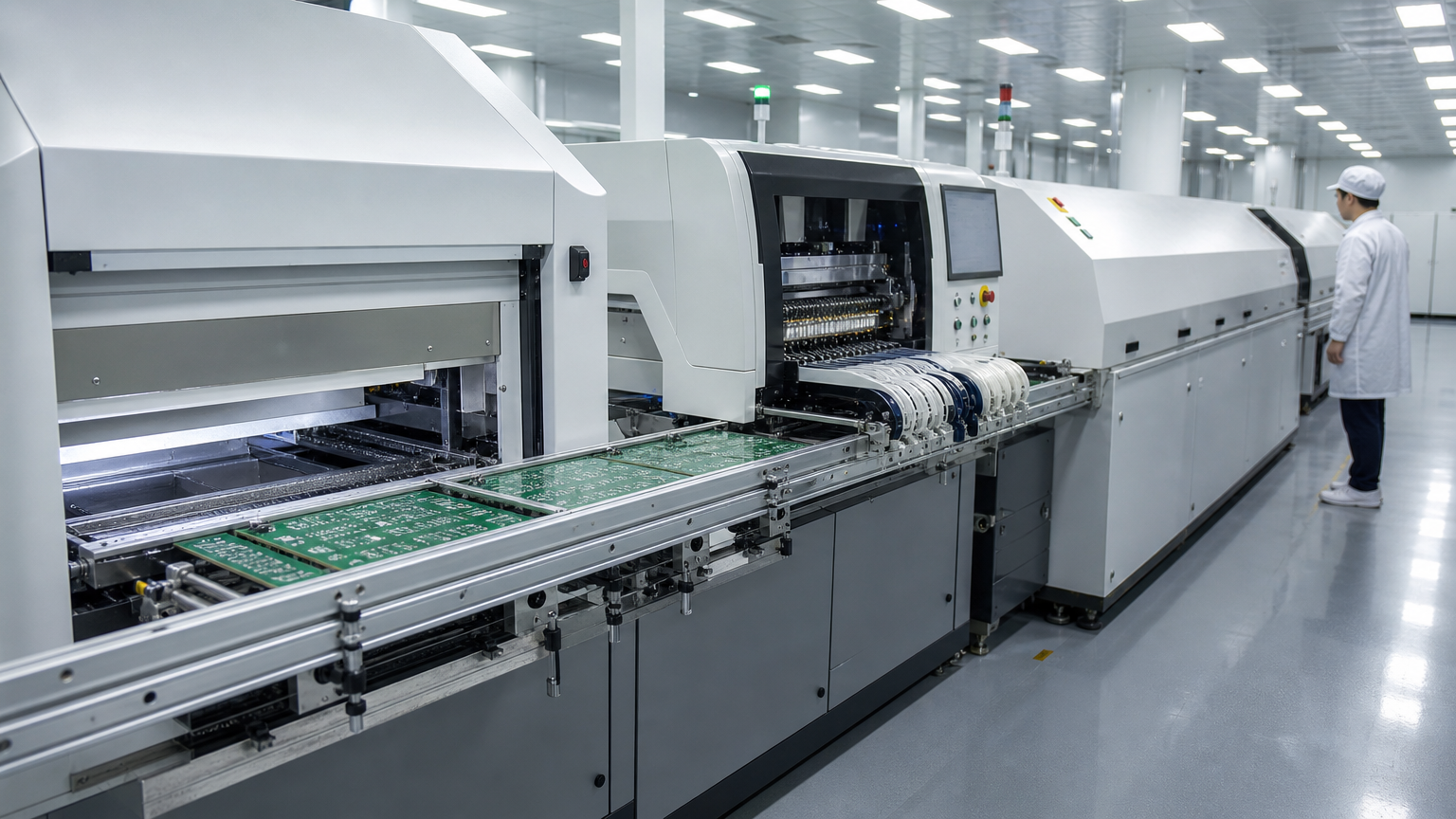
An SMT line normally starts with solder paste printing. The placement machine then places components according to the coordinate file. Reflow soldering completes the main soldering process. AOI checks visible assembly conditions. When necessary, X-ray inspection supplements hidden solder joint inspection.
An automated process can reduce some repetitive manual operations. Equipment can also save programs and process parameters. This allows the same product to follow more consistent assembly steps. Production staff still need to manage materials, equipment, and processes. Automation cannot replace engineering validation or quality release.
2.2 Automation Is Not Only About Placement Speed
Higher equipment speed does not always mean higher project efficiency. Board size, component count, and changeover frequency affect the cycle time. Inspection coverage also affects the complete line cycle. Equipment speed cannot solve a production stop caused by incomplete materials.
The more practical value includes repeatable movement, program control, and data recording. Equipment can reduce differences in manual placement. Engineering teams can track process changes. Production can also move more smoothly from prototypes to pilot runs. Actual capacity and delivery time still depend on project conditions.
3. The Third Reason to Choose SMT Assembly: Earlier Quality Control
3.1 SPI Can Check Solder Paste Printing
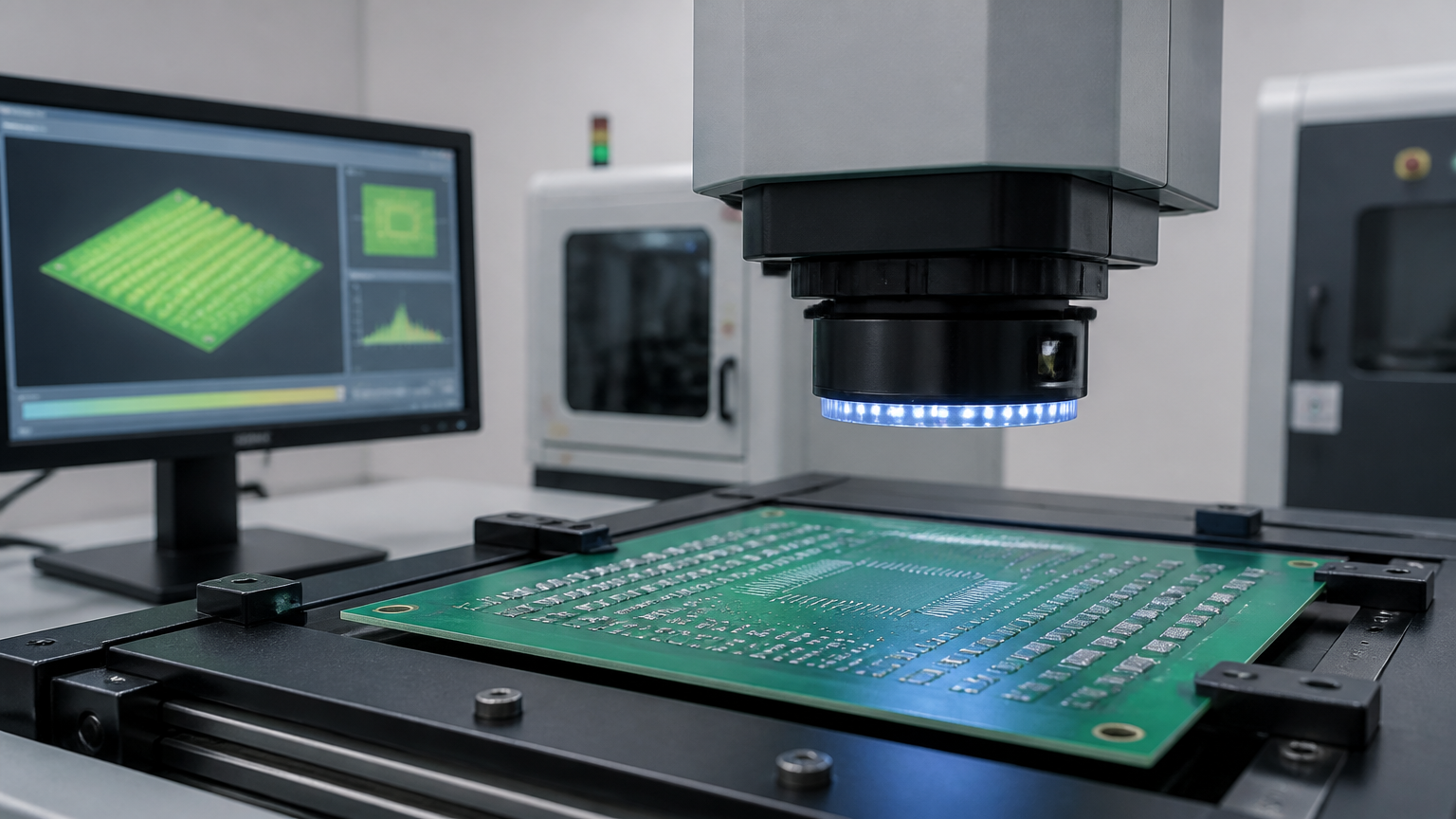
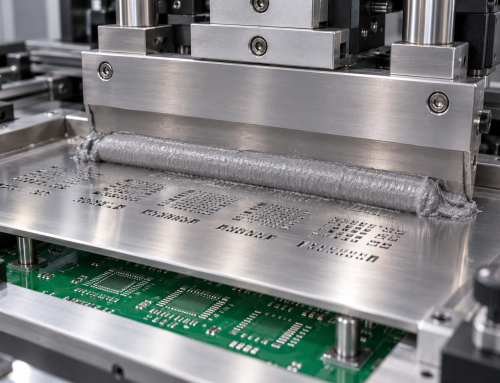
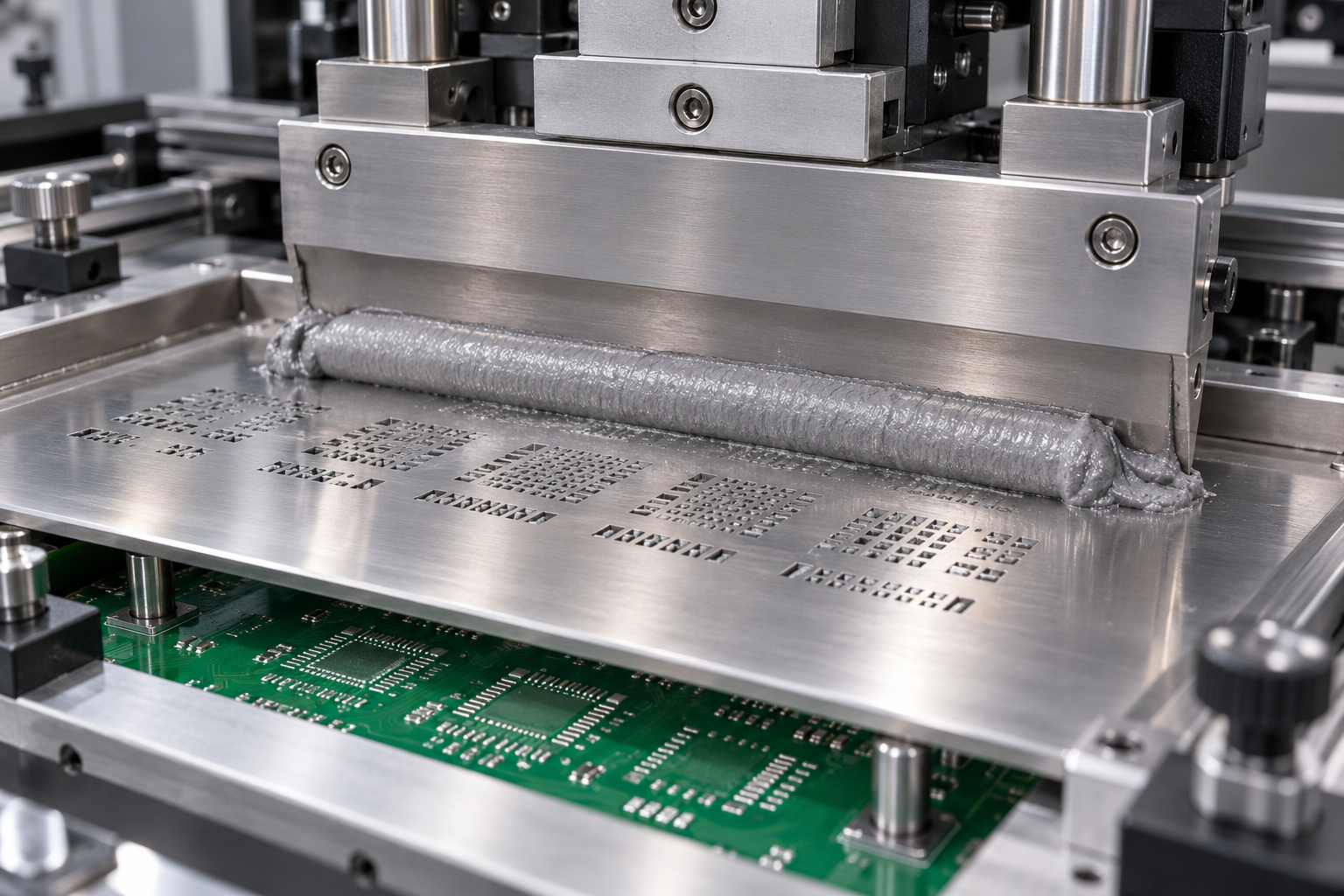
Solder paste printing directly affects later soldering. Stencil openings, solder paste condition, and PCB support can all influence the result. Squeegee pressure, printing speed, and paste release also require control. SPI can check solder paste position, area, height, and volume.
SPI places inspection before component placement. Engineers can identify printing deviations at an earlier stage. Abnormal boards can then be isolated before reflow soldering. The exact inspection items depend on equipment capability and product programming. Inspection data should also be analyzed with pad design and customer requirements.
3.2 AOI Can Identify Visible Assembly Defects
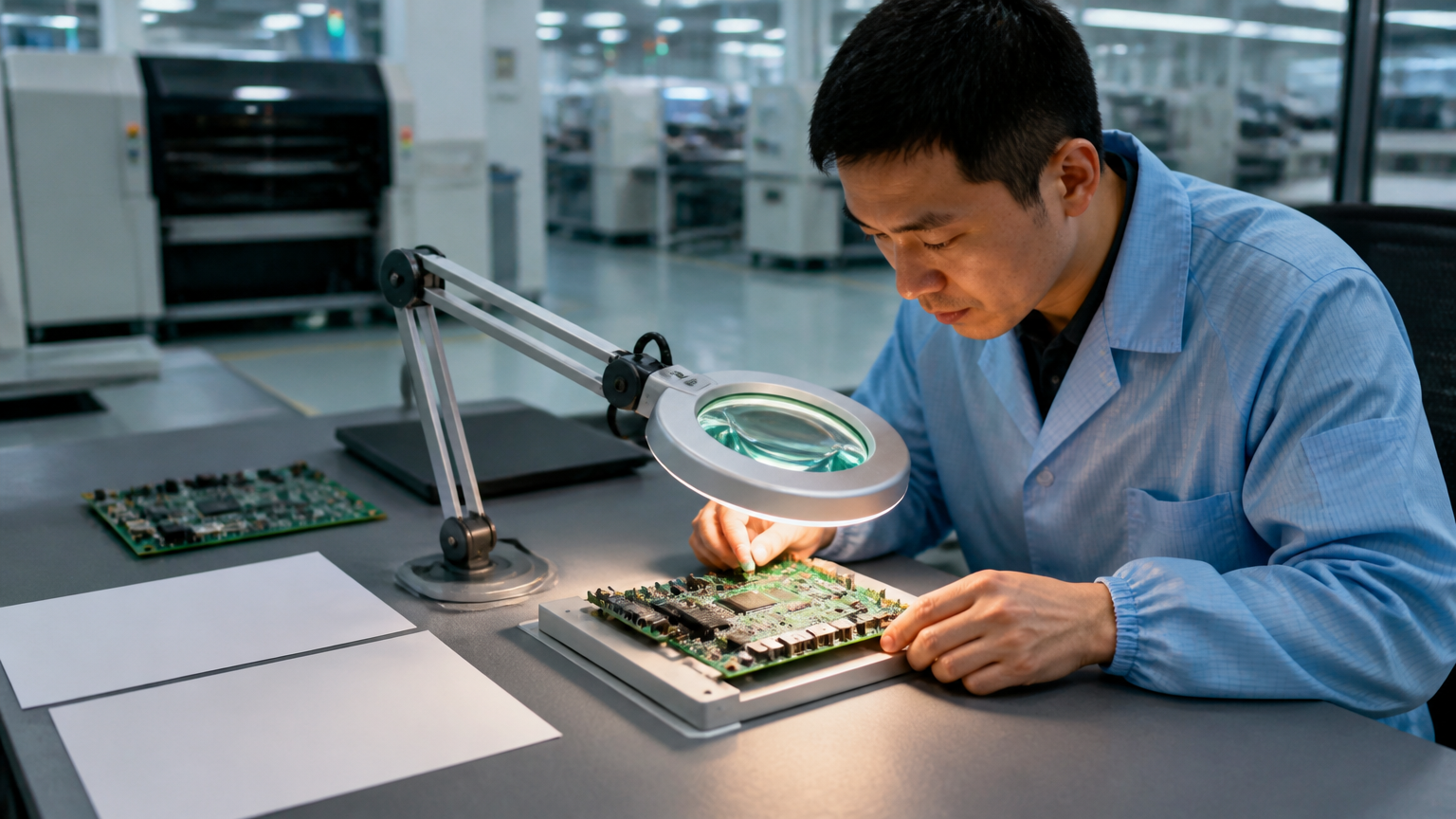
AOI uses optical images to inspect the PCB. It can help check missing components, wrong components, offset, and polarity. Some visible solder joints can also be inspected. AOI cannot directly observe every hidden solder joint. Reflective components and complex solder joints may also increase false calls.
Therefore, the AOI program must be validated. Engineers should set inspection rules with the BOM, coordinate file, and assembly drawing. Abnormal results also require manual review. Inspection equipment should support defect prevention, not replace all quality decisions.
3.3 X-Ray Can Supplement Hidden Solder Joint Inspection
Some solder joints in BGA, QFN, and LGA packages are difficult to observe directly. X-ray inspection can show internal connection conditions. Engineering teams can use it to assess voids, bridging, and connection abnormalities. Actual results must be judged with the package structure in mind.
Not every SMT product requires the same X-ray coverage. The inspection plan should consider product risk and customer requirements. A prototype may require first-article verification. A mass-production project may use sampling or special inspection. The exact scope should be confirmed in the project documents.
4. The Fourth Reason to Choose SMT Assembly: Better Batch Consistency
4.1 Programmed Processes Can Reduce Repetitive Operation Differences
The placement program records component locations and placement data. The feeder list guides material loading. The stencil file affects solder paste printing. The reflow profile affects the thermal soldering process. The inspection program helps the team follow consistent inspection steps.
Controlled files can support repeat production. Engineers should manage the versions of the BOM, Gerber files, and coordinate files. First-article approval should also be completed before production. Any design change requires another review of the related programs. Controlled files can reduce the risk of using the wrong version.
4.2 Material and Environmental Management Also Matter
SMT consistency cannot rely on the placement machine alone. Solder paste must be stored and used according to supplier requirements. Moisture-sensitive components require attention to package condition and exposure time. Electrostatic-sensitive devices need suitable protection. The PCB must also remain suitable for production.
Moisture-sensitive components should be handled according to their device documentation. Actual operations should consider package status, exposure time, and customer requirements. Production staff should record opening, baking, and line-loading information. These records provide better support for later failure analysis.
5. The Fifth Reason to Choose SMT Assembly: Supporting Product Iteration and Volume Transition
5.1 NPI Can Identify Manufacturing Risks Early
New product introduction is more than producing the first boards. Engineering teams must also check BOM availability. Packages and pads must meet production requirements. Stencils, programs, and inspection rules need validation. First-article results should be recorded clearly.
Files often change during the prototype stage. Customers may update components, layouts, or test requirements. The supplier must confirm the new Gerber, BOM, and coordinate files. An unconfirmed version should not enter production. A clear NPI process can reduce repeated rework.
5.2 DFM Brings the Design Closer to Manufacturing
A DFM review covers pads and component spacing. Engineers also check component orientation and panelization. Thermal pads, test points, and rework space are important as well. Fine-pitch packages require additional stencil opening evaluation.
DFM can identify some risks in advance. It cannot replace product function validation. It cannot replace reliability testing either. The customer must still approve the final design. The supplier should report actual manufacturing limits in time.
5.3 Different Production Stages Need Different SMT Plans
Prototype production focuses more on engineering feedback. Pilot production focuses more on process stability. Mass production focuses more on scheduling and batch control. Inspection and document requirements may differ at each stage.
Small-batch orders also require changeover and material preparation. Stencils, programming, and first-article inspection can create additional costs. Stable mass production requires a stronger material plan. The SMT solution should change with the project stage instead of using one fixed setup.
6. Can SMT Assembly Reduce Costs?
SMT assembly may reduce some repetitive manual work. Automated equipment also supports repeat production. As a result, stable orders may achieve better unit processing efficiency. However, SMT cost should not be judged only by the price per board.
Stencils, programming, changeovers, and inspection all create costs. Initial engineering costs may be more noticeable in small-batch projects. Material waste and rework also affect the total cost. Weak quality control can increase spending through scrap and delays.
Purchasing teams should therefore compare the complete cost. The quotation should define the assembly scope, inspection items, and testing responsibilities. The material supply method must also be clear. Only complete Gerber files, BOM data, and quantity information can support a practical quotation.
7. SMT and DIP Hybrid Assembly and Supplier Selection
Some products cannot use SMT alone. Large connectors, relays, terminals, and high-current components may require through-hole structures. In these cases, SMT can be combined with DIP, selective soldering, or manual soldering. The exact sequence should consider board design, mechanical strength, thermal requirements, and component structure.
7.1 How to Choose a Suitable SMT Assembly Supplier
The supplier should first review the Gerber files, BOM, coordinate files, and assembly drawings. The engineering team should also confirm board thickness, surface finish, quantity, and test requirements. The DFM review should cover pads, component spacing, stencil openings, panelization, and rework space. An equipment list can provide a reference, but it cannot replace project-specific process judgment.
Purchasing teams should also confirm the applicable scope of SPI, AOI, X-ray inspection, and electrical testing. BGA, QFN, and LGA projects require special attention to hidden solder joint inspection. The BOM, Gerber files, coordinate files, placement program, and test program must remain consistent. Material batches, board numbers, and inspection records should be linked whenever possible.
Small-batch projects require evaluation of changeover, material preparation, stencil, and first-article costs. Stable mass production requires attention to scheduling, material planning, and process traceability. Before choosing our PCBA services, you can submit the Gerber files, BOM, coordinate files, assembly drawings, production quantity, and test requirements. Our engineering team can then evaluate a practical PCB SMT solution and quotation.
Conclusion: The Value of SMT Comes from the Complete Process Chain
Companies usually choose SMT assembly to support high-density design and automated production. SPI, AOI, and X-ray inspection can strengthen process control. Program management and NPI can improve batch consistency. SMT can also work with DIP to meet the needs of different components.
However, SMT is not an independent advantage separated from design. PCB layout, component quality, solder paste management, and reflow profiles all affect the result. The inspection plan must match product risk. Submitting the Gerber files and BOM is a reliable starting point for confirming whether PCB SMT is suitable for your project.








Leave A Comment