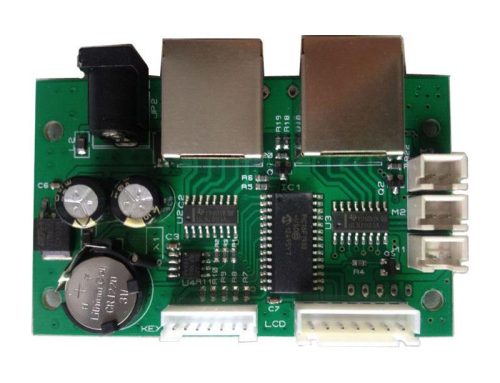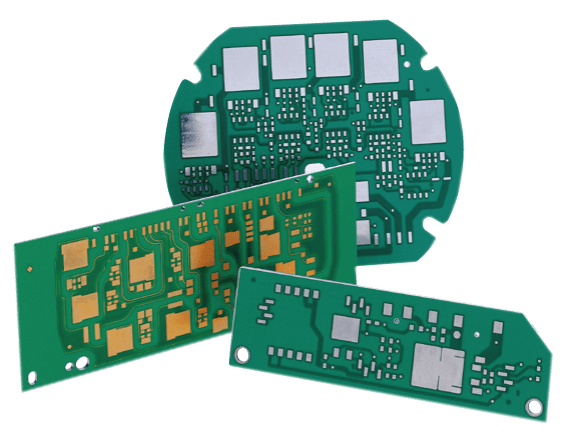

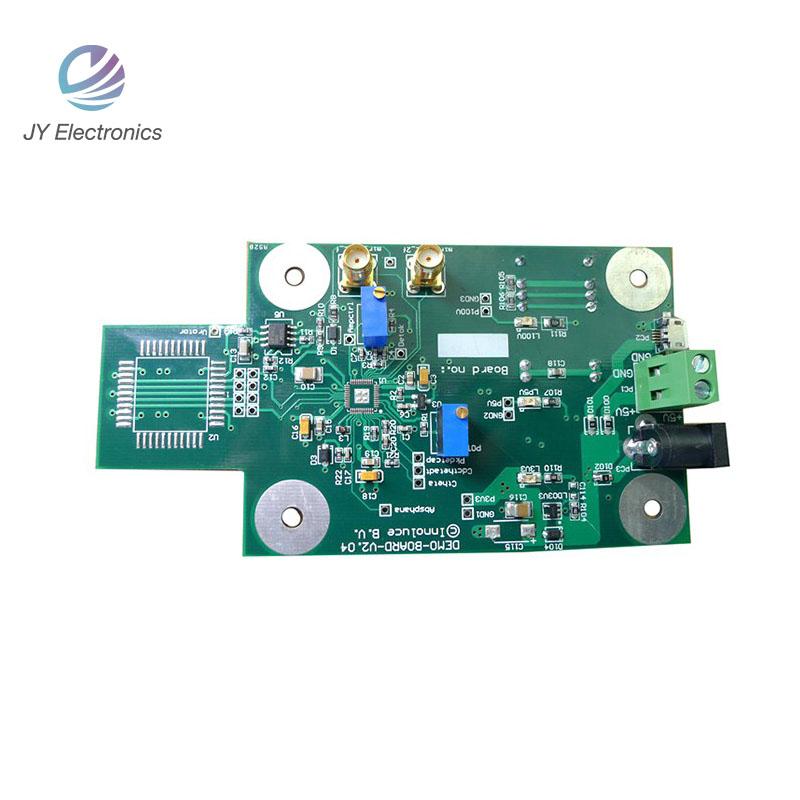
As the automotive industry continues to evolve, so do the technologies powering our vehicles. One such technology that has seen great advancements in recent years is the printed circuit board (PCB) used in automotive electronics. PCBs are used in a wide range of automotive applications, from engine control modules to infotainment systems. In this article, we will explore the latest PCB automotive electronics techniques and their applications, as well as the benefits they offer.
PCB Automotive Electronics Techniques: The Latest Advancements
Over the years, PCB technology has improved vastly, allowing for the creation of smaller, lighter, and more powerful electronic components. Here are some of the latest PCB automotive electronics techniques:

- High-Density Interconnect (HDI) PCBs: HDI PCBs are used in applications where space is at a premium, such as in-cabin electronics. They allow for more components to be packed into a smaller space, offering greater functionality in a smaller footprint.
- Flex PCBs: Flex PCBs are made of flexible materials, allowing them to bend and twist to fit into tight spaces. They are used in applications such as seatbelt sensors and airbag deployment systems.
- Embedded Passive Components (EPCs): EPCs are components that are embedded directly into the PCB itself, allowing for a smaller, more streamlined design. They are used in a variety of automotive applications, including powertrain control modules.
- 3D Printing: 3D printing allows for the creation of complex, custom-shaped PCBs that are not possible with traditional manufacturing techniques. This technology is still in its infancy in the automotive industry but shows great promise for the future.
Applications of PCB Automotive Electronics Techniques
PCB automotive electronics techniques are used in a wide range of automotive applications. Here are some of the most common applications:
- Engine Control Modules (ECMs): ECMs are responsible for controlling the engine’s performance, including fuel injection timing, ignition timing, and idle speed. PCBs are used extensively in ECMs to control these functions.
- Infotainment Systems: Infotainment systems are becoming increasingly important in modern vehicles, providing drivers with access to a wide range of information and entertainment options. PCBs are used extensively in infotainment systems to control the display, audio, and connectivity functions.
- Advanced Driver Assistance Systems (ADAS): ADAS systems are designed to help drivers avoid accidents and improve overall safety. PCBs are used in a variety of ADAS applications, including lane departure warning systems and adaptive cruise control.
- Powertrain Control Modules (PCMs): PCMs are responsible for controlling the vehicle’s powertrain, including the engine, transmission, and drivetrain. PCBs are used extensively in PCMs to control these functions.
Benefits of PCB Automotive Electronics Techniques
PCB automotive electronics techniques offer a range of benefits, including:
- Increased Reliability: PCBs are more reliable than traditional wiring harnesses, reducing the risk of electrical failures and downtime.
- Improved Performance: PCBs offer greater functionality in a smaller footprint, allowing for more advanced automotive electronics systems.
- Reduced Weight: PCBs are lighter than traditional wiring harnesses, reducing vehicle weight and improving fuel efficiency.
- Streamlined Design: PCBs allow for a more streamlined design, reducing the complexity of automotive electronics systems.
Subheadings:
- Introduction
- The Importance of PCB Automotive Electronics Techniques
- Latest Advancements in PCB Automotive Electronics Techniques
- High-Density Interconnect (HDI) PCBs
- Flex PCBs
- Embedded Passive Components (EPCs)
- 3D Printing
- Applications of PCB Automotive Electronics Techniques
- Engine Control Modules (ECMs)
- Infotainment Systems
- Advanced Driver Assistance Systems (ADAS)
- Powertrain Control Modules (PCMs)
- Benefits of PCB Automotive Electronics Techniques
- Increased Reliability
- Improved Performance
- Reduced Weight
- Streamlined Design
- Conclusion
Introduction:
In the automotive industry, technology is constantly evolving, and printed circuit boards (PCBs) are becoming increasingly important in modern vehicles. Automakers and customers alike benefit from the wide range of automotive applications that extensively use PCBs, including engine control modules and infotainment systems. PCBs offer a range of benefits, from improved functionality to enhanced reliability. In this article, we will explore the latest PCB automotive electronics techniques and their applications, as well as the benefits they offer.
The Importance of PCB Automotive Electronics Techniques:
PCBs are an integral part of modern automotive electronics systems, offering a more reliable and efficient way to control electronic components. Traditional wiring harnesses are bulky and heavy, making them unsuitable for modern vehicles that require smaller and more streamlined components. PCBs offer a more compact and efficient way to control electronic components, reducing the complexity of automotive electronics systems and improving reliability.
Latest Advancements in PCB Automotive Electronics Techniques:
There have been several advancements in PCB technology in recent years, including high-density interconnect (HDI) PCBs, flex PCBs, embedded passive components (EPCs), and 3D printing.
High-Density Interconnect (HDI) PCBs:
Applications that require space optimization, such as in-cabin electronics, extensively utilize HDI PCBs. HDI PCBs enable the packing of more components into a smaller space, offering greater functionality within a reduced footprint.HDI PCBs are also more reliable than traditional wiring harnesses, reducing the risk of electrical failures and downtime.
Flex PCBs:
Flexible materials enable the manufacturing of Flex PCBs, allowing them to bend and twist to fit into tight spaces. Flex PCBs find applications in seatbelt sensors and airbag deployment systems. Flex PCBs offer improved reliability and reduced weight compared to traditional wiring harnesses.
Embedded Passive Components (EPCs):
Automotive applications extensively utilize EPCs, including powertrain control modules, by embedding them directly into the PCB itself, enabling a smaller and more streamlined design. EPCs offer improved reliability and reduced weight compared to traditional wiring harnesses.
3D Printing:
3D printing allows for the creation of complex, custom-shaped PCBs that are not possible with traditional manufacturing techniques. This technology is still in its infancy in the automotive industry but shows great promise for the future. 3D printed PCBs offer improved performance and reduced weight compared to traditional wiring harnesses.
Applications of PCB Automotive Electronics Techniques:
Automotive applications extensively utilize PCB automotive electronics techniques in a wide range, including engine control modules, infotainment systems, advanced driver assistance systems, and powertrain control modules.
Engine Control Modules (ECMs):
ECMs are responsible for controlling the engine’s performance, including fuel injection timing, ignition timing, and idle speed.PCBs extensively use in ECMs to control these functions, offer improved reliability, and reduce weight compared to traditional wiring harnesses.
Benefits :
a range of benefits, including increased reliability, improved performance, reduced weight, and streamlined design.
Increased Reliability:
PCBs are more reliable than traditional wiring harnesses, reducing the risk of electrical failures and downtime. This improves the overall reliability of the vehicle and reduces maintenance costs.
Improved Performance:
PCBs offer greater functionality in a smaller footprint, allowing for more advanced automotive electronics systems. This improves the overall performance of the vehicle and enhances the driving experience for customers.
Reduced Weight:
PCBs are lighter than traditional wiring harnesses, reducing vehicle weight and improving fuel efficiency. This reduces the environmental impact of the vehicle and offers cost savings for customers.
Streamlined Design:
PCBs allow for a more streamlined design, reducing the complexity of automotive electronics systems. This makes it easier to manufacture and maintain vehicles, reducing costs for automakers and customers alike.