

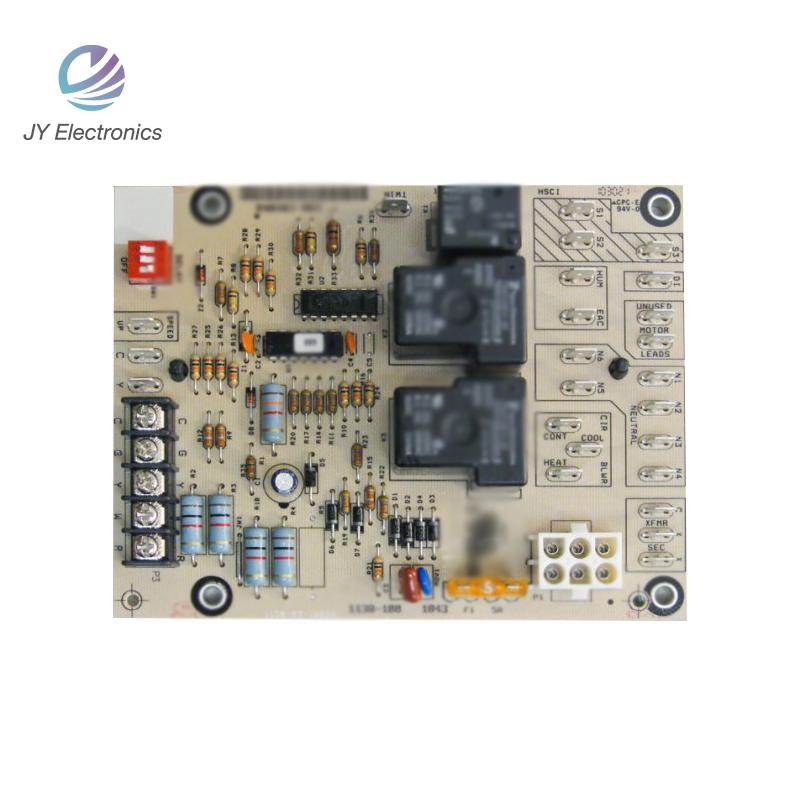
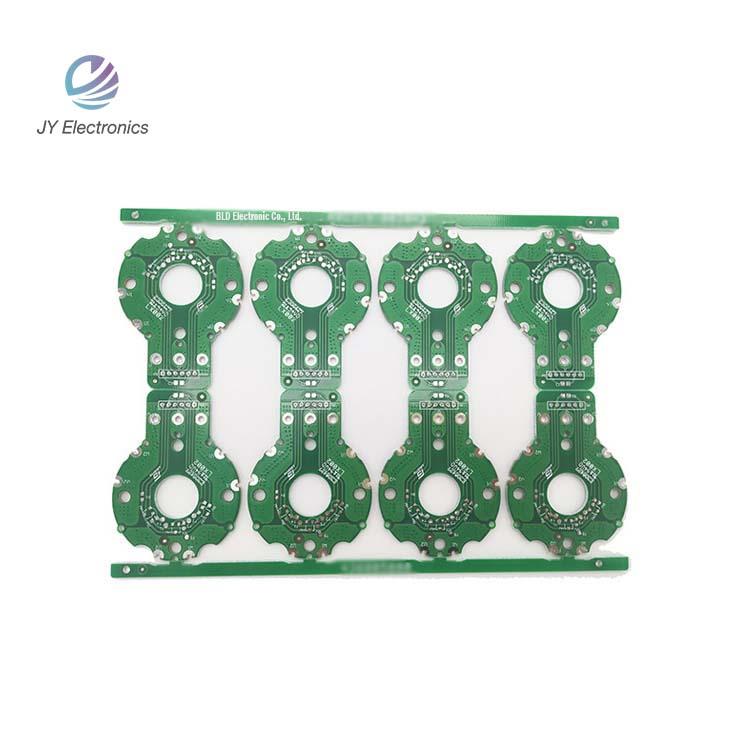
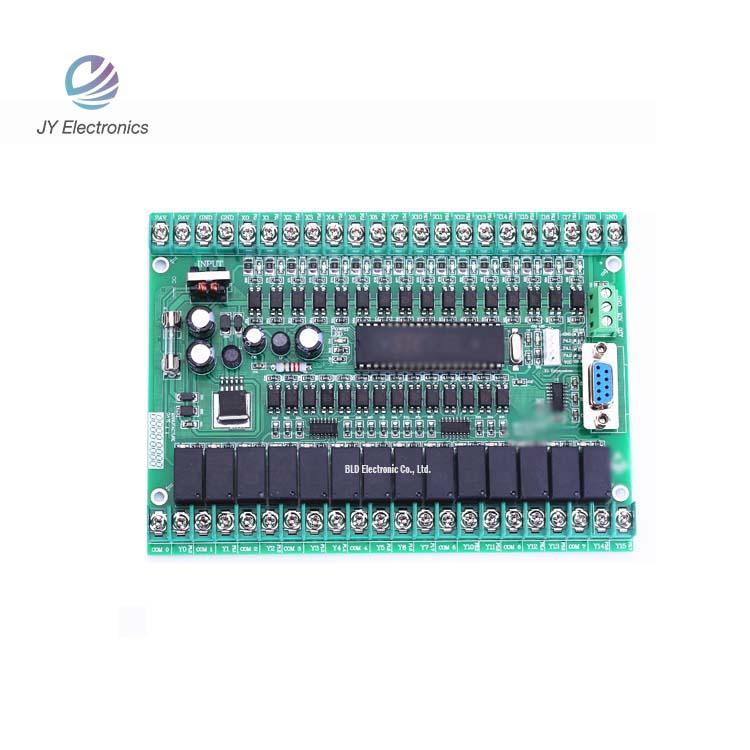
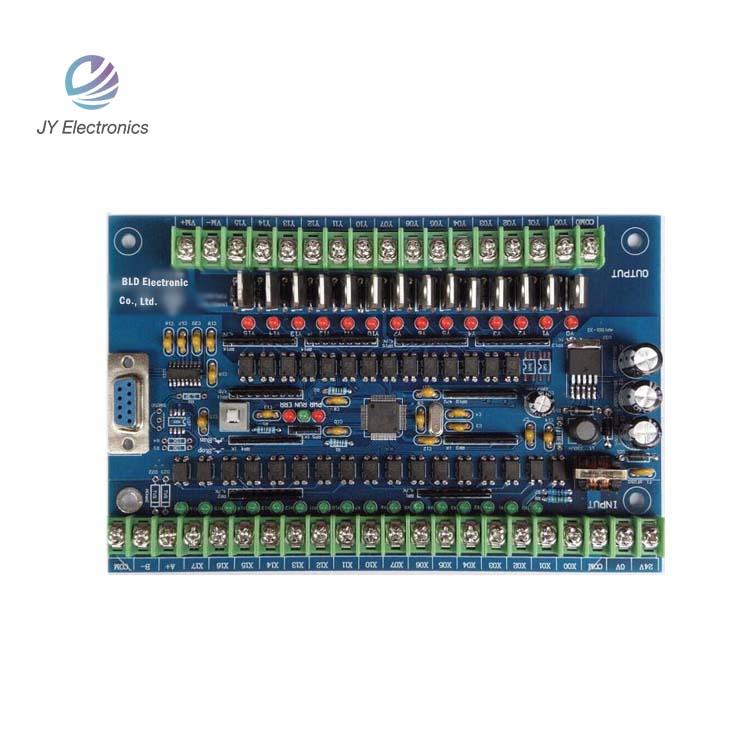
PCB assembly is a crucial process in the manufacturing of electronic devices, especially for industrial applications. The quality of the PCB assembly determines the device’s reliability, durability, and functionality. Therefore, it’s essential to follow best practices to achieve optimal performance. In this article, we’ll discuss the best practices for PCB assembly for industrial applications.
PCB Assembly Best Practices for Industrial Applications
- Component Selection and Placement
The selection and placement of components are critical in PCB assembly. It’s essential to choose high-quality components that are suitable for the device’s intended use. The selected components should also be compatible with each other and the PCB. The placement of components should follow the manufacturer’s guidelines to ensure optimal performance.
- PCB Design
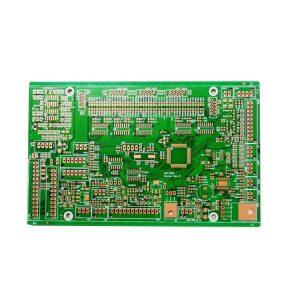
The PCB design should be optimized for the device’s intended use. It’s essential to consider factors such as the size and shape of the PCB, the number of layers, and the type of materials used. The design should also consider the thermal management of the device, as heat can affect the PCB’s performance.
- Soldering
Soldering is a critical process in Circuit board assembly . It’s essential to use high-quality soldering materials and follow the manufacturer’s guidelines for soldering. The soldering temperature and time should be optimized to achieve a strong and reliable bond between the components and the PCB.
- Inspection and Testing
Inspection and testing are crucial steps in PCB assembly. It’s essential to inspect the PCB and components for defects and errors before assembly. After assembly, the device should undergo rigorous testing to ensure that it meets the intended performance requirements.
- Quality Control
Quality control is essential in Circuit board assembly. It’s essential to have a robust quality control system in place to ensure that the PCB assembly meets the intended quality standards. The quality control system should include regular inspection, testing, and documentation.
In addition to the best practices discussed above, there are a few other factors that manufacturers should consider when it comes to Circuit board assembly for industrial applications.
- Environmental Factors
Industrial electronic devices are often exposed to harsh environmental conditions, such as extreme temperatures, humidity, and vibration. Therefore, it’s essential to select components and materials that can withstand these conditions. Manufacturers should also conduct environmental testing to ensure that their devices can perform reliably in harsh conditions.
- ESD Protection
Electrostatic discharge (ESD) can cause serious damage to electronic devices. Therefore, it’s crucial to implement ESD protection measures during Circuit board assembly These measures can include using ESD-safe workstations, wearing ESD-safe clothing, and using ESD-safe tools and equipment.
- Documentation
Documentation is essential in PCB assembly for industrial applications. Manufacturers should maintain detailed records of the Circuit board assembly process, including component selection, placement, soldering, inspection, testing, and quality control. This documentation can help manufacturers identify and address any issues that may arise during the manufacturing process.
In conclusion, PCB assembly for industrial applications requires careful consideration of various factors, including component selection and placement, PCB design, soldering, inspection and testing, quality control, environmental factors, ESD protection, and documentation. By following best practices and considering these factors, manufacturers can ensure that their devices perform reliably and meet the intended quality standards.


