


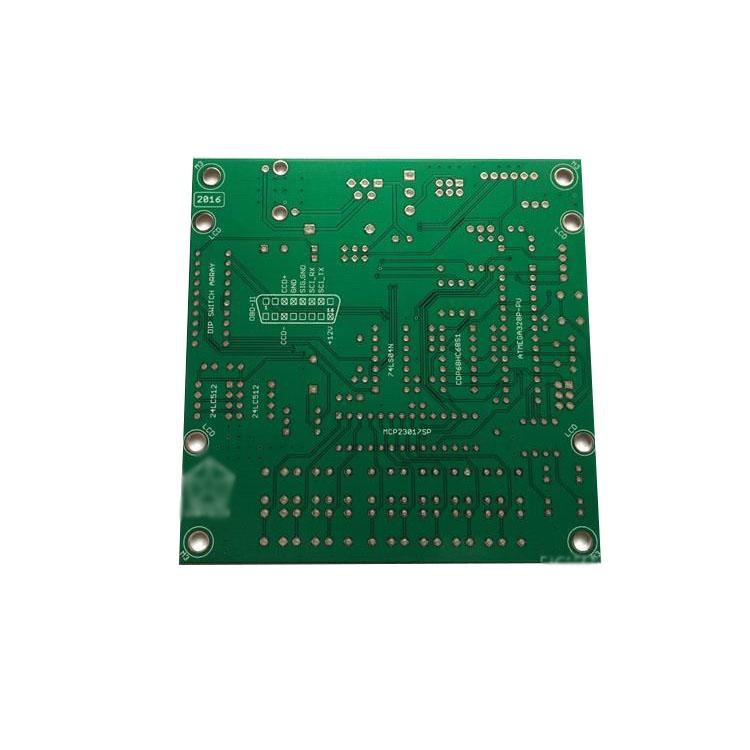

In the dynamic landscape of PCBA (Printed Circuit Board Assembly) manufacturing, the Internet of Things (IoT) has emerged as a transformative force, revolutionizing the way factories operate. By integrating IoT technologies, the PCBA manufacturing industry has unlocked new levels of connectivity, efficiency, and productivity. This article explores the applications and advantages of IoT in the PCBA manufacturing industry. From smart factories to predictive maintenance, we delve into the remarkable potential of IoT in optimizing processes and driving innovation in PCBA manufacturing.
Article:
The IoT Revolution in PCBA Manufacturing: Enhancing Connectivity and Efficiency
The PCBA manufacturing industry is experiencing a profound transformation, driven by the adoption of IoT technologies. The integration of IoT devices and systems has paved the way for smart factories, where interconnected machines, sensors, and data analytics collaborate seamlessly to optimize manufacturing processes. This article delves into the applications and advantages of IoT in the PCBA manufacturing industry, uncovering the potential for enhanced connectivity, efficiency, and productivity.
IoT Applications in PCBA Manufacturing

Smart Supply Chain Management
IoT enables real-time tracking and monitoring of components throughout the supply chain. By utilizing RFID tags and sensors, manufacturers can accurately locate and manage inventory, streamline logistics, and minimize delays. This enhances efficiency, reduces costs, and ensures timely delivery of components for PCBA production.
Predictive Maintenance and Quality Control
IoT sensors embedded in machinery and equipment enable continuous monitoring of performance and condition. Real-time data analysis and machine learning algorithms identify patterns and anomalies, allowing proactive maintenance and minimizing downtime. Additionally, IoT-driven quality control systems monitor production parameters, detect defects, and ensure adherence to strict quality standards.
Benefits of IoT in PCBA Manufacturing
Enhanced Connectivity and Visibility
IoT enables seamless connectivity between various stages of the manufacturing process. From component sourcing to assembly and testing, real-time data exchange facilitates efficient collaboration, improves decision-making, and enhances visibility into production operations. This interconnectedness drives agility and responsiveness, ensuring streamlined processes and quicker time-to-market.
Improved Operational Efficiency
IoT-driven automation and data analytics optimize manufacturing processes, reducing manual intervention and human error. Real-time monitoring and analysis of machine performance, energy consumption, and resource utilization enable intelligent resource allocation and process optimization. This results in improved operational efficiency, reduced waste, and increased productivity.
IoT-enabled Smart Factories
Automated Production Line Control
IoT technology enables the integration and automation of production line processes. IoT-enabled sensors and actuators facilitate real-time adjustments, ensuring optimal machine performance, minimizing cycle times, and increasing throughput. The ability to remotely monitor and control production line parameters enhances efficiency and flexibility in adapting to changing production demands.
Data-Driven Decision Making
IoT generates vast amounts of data that can be harnessed for data-driven decision making. Advanced analytics, machine learning algorithms, and artificial intelligence enable manufacturers to gain valuable insights into production trends, quality control, and resource utilization. This empowers decision-makers to make informed strategic choices, optimize operations, and drive continuous improvement.
The Future of PCBA Manufacturing with IoT
The integration of IoT in PCBA manufacturing represents a pivotal step towards Industry 4.0. As IoT technologies continue to evolve, the potential for further advancements and innovation in the industry is immense. Continued investment in IoT infrastructure, data security measures, and skilled workforce development is essential to unlock the full potential of IoT in PCBA manufacturing.
Conclusion:
The adoption of IoT applications in the PCBA manufacturing industry is reshaping the way factories operate, providing enhanced connectivity, efficiency, and productivity.By leveraging IoT technologies, manufacturers can create smart factories that optimize processes, improve supply chain management, enable predictive maintenance, and enhance overall operational efficiency. The connectivity and real-time data exchange facilitated by IoT devices and systems enable seamless collaboration between machines, sensors, and humans, leading to streamlined operations and faster time-to-market.
The benefits of IoT in the PCBA manufacturing industry are far-reaching. Enhanced visibility into production operations allows for better decision-making and agile responsiveness to market demands. Automated control of production lines minimizes errors and maximizes throughput. Data-driven insights enable continuous improvement and optimization of resources, leading to increased productivity and reduced waste.
IoT in PCBA manufacturing
As the industry moves towards the future, the integration of IoT in PCBA manufacturing will continue to play a pivotal role. The convergence of IoT with other emerging technologies such as artificial intelligence, robotics, and big data analytics holds the promise of even greater efficiency, scalability, and innovation. Embracing IoT in PCBA manufacturing is essential for staying competitive in a rapidly evolving market.
In conclusion, the IoT applications in the PCBA manufacturing industry bring about a new era of connectivity, efficiency, and productivity. By harnessing the power of IoT, manufacturers can create smart factories that optimize processes, improve supply chain management, enable predictive maintenance, and drive innovation. Embracing IoT is crucial for staying ahead in the fast-paced world of PCBA manufacturing.


